Currently, we are not accepting Medicaid, HMO or State Insurances


Root Canal Treatment in Grand Blanc, MI
July 13, 2026
Dental Health
Most people dread root canals more than almost any other dental procedure. But what you’ll actually feel during your root canal treatment in Grand Blanc is probably not what you’re imagining. The procedure has changed dramatically over the years. Modern techniques and anesthesia make root canals far more comfortable than their reputation suggests.
At Drs Burau Cosmetic and Family Dentistry, Dr. Alex Burau walks patients through every step before anything begins. Understanding the process is one of the best ways to reduce anxiety. This guide will take you through the experience in plain, honest terms — from the first injection to the final restoration.
What You’ll Actually Feel During Root Canal Treatment: Getting Numb First
The first step is local anesthesia. Dr. Burau applies a topical numbing gel to your gum before the injection. Most patients feel only mild pressure — not a sharp sting. The needle itself is very fine, and the gel does most of the work first.
Within a few minutes, the anesthetic takes full effect. You may feel a deep heaviness or tingling in your jaw, cheek, and lip. That sensation tells you the area is completely numb. Dr. Burau does not begin any treatment until you confirm you cannot feel anything sharp.
Some patients feel anxious even after going numb. That is completely normal. Your body stays alert even when pain signals are blocked. Take slow breaths and focus on relaxing your shoulders. The discomfort you feared is already behind you at this point.
Step by Step: What Happens Inside the Tooth
Once you are numb, Dr. Burau places a small rubber dam around the tooth. This keeps the area dry and clean during the procedure. You will not feel the dam — it simply holds your tooth isolated from saliva.
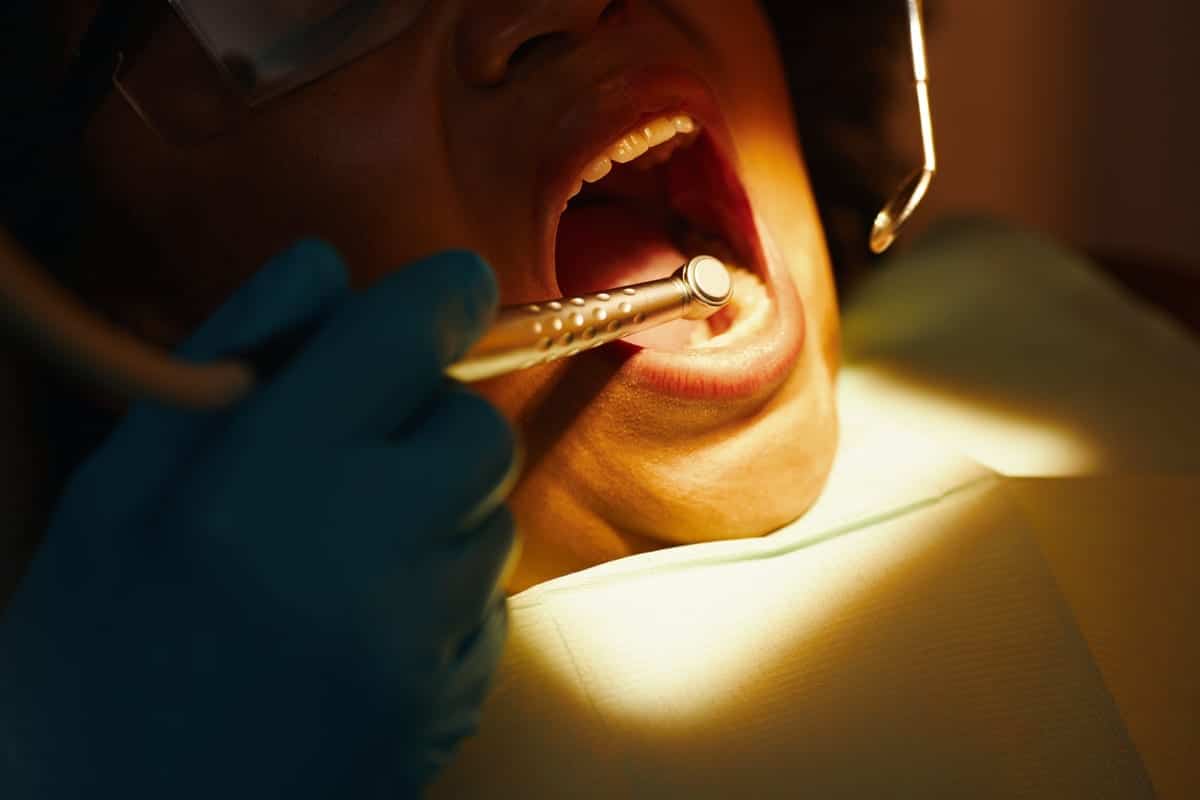
Next, Dr. Burau creates a small opening in the top of the tooth. A dental drill is used for this step. You will hear a sound and feel mild vibration, but no pain. The inside of the tooth is already numb, so the drilling sensation is dull and distant.
Through that opening, Dr. Burau removes the infected or inflamed pulp tissue inside the tooth. Tiny instruments called files clean and shape the root canals. You may feel light pressure as this happens. Occasionally patients feel a brief zing if a nerve tip is touched — let your dentist know immediately and more anesthetic is applied.
Here is a summary of the key steps during the procedure:
- Topical gel applied to gum before injection
- Local anesthetic injected and allowed to take full effect
- Rubber dam placed to isolate the tooth
- Small opening created at the top of the tooth
- Infected pulp tissue removed from inside the canals
- Canals cleaned, shaped, and measured precisely
- Canals filled and sealed with a rubber-like material
- Temporary or permanent crown placed to protect the tooth
Our Root Canals Treatment page explains the clinical side of this process in more detail. Knowing every step helps patients feel prepared and in control.
Pressure, Sounds, and Sensations You May Notice
Patients often describe the most surprising part as the sounds rather than any pain. You will hear clicking, scraping, and water-spray sounds throughout the procedure. None of these indicate anything wrong. They are simply the tools doing their job efficiently.
You may also feel a consistent pressure on your jaw from holding your mouth open. This is one of the most common complaints after a root canal — not tooth pain, but jaw soreness. Taking short breaks during the appointment can help. Dr. Burau encourages patients to raise their hand if they need a moment to rest.
The irrigation step involves rinsing the canals with a disinfecting solution. You will feel nothing during this step because the anesthetic is still active. You might notice a faint taste if any solution reaches your mouth. The rubber dam minimizes this, but a quick rinse removes any residue immediately.
Many patients are genuinely surprised by how calm they feel mid-procedure. The anticipation is often much worse than the reality. Once patients realize they are not in pain, tension in the shoulders and hands tends to release naturally.
What to Expect After the Procedure in Grand Blanc
When the anesthetic wears off — typically one to three hours after the appointment — mild soreness is normal. The tooth and surrounding tissue may feel tender for a day or two. Over-the-counter pain relievers manage this very effectively for most patients.
Here is what most patients experience in the days following a root canal:
- Mild to moderate soreness around the treated tooth
- Sensitivity when biting down for one to three days
- Slight gum tenderness near the injection site
- Gradual improvement with each passing day
- No significant pain after the first 48 to 72 hours
You can return to work or normal activities the same day in most cases. Avoid chewing hard foods on that side until your permanent crown is placed. Dr. Burau will give you clear aftercare instructions before you leave the office. Following them closely makes recovery faster and more comfortable.
A follow-up appointment places a permanent crown over the treated tooth. This protects the tooth from fracture and restores full biting function. The crown appointment is typically straightforward and comfortable. Many patients tell us the crown visit feels easier than the root canal itself.
Why Patients in Grand Blanc Trust Dr. Alex Burau for Root Canals
Dr. Alex Burau combines technical skill with a genuinely patient-centered approach. He takes time to explain what is happening at every stage. Patients never feel rushed or uninformed. That transparency is one reason so many Grand Blanc families continue coming back year after year.
Beyond root canals, the practice offers a full range of services — including Cosmetic Dentistry for patients who want to improve their smile after restoring their oral health. Addressing decay and infection first creates a healthy foundation for cosmetic work. Dr. Burau helps patients plan their full dental journey from start to finish.
Fear of pain should never stop someone from getting the care they need. Untreated infection can spread and cause serious health complications. A root canal removes that infection and saves your natural tooth. Keeping your natural tooth is almost always the best long-term outcome.
If you have been putting off a root canal because of anxiety, you are not alone — and your experience will likely surprise you. Dr. Burau and the entire team at Drs Burau Cosmetic and Family Dentistry are here to make the process as comfortable as possible. Book Now to schedule your appointment with our team.
Frequently Asked Questions
Does a root canal hurt during the procedure?
Most patients feel little to no pain during a root canal. Local anesthesia numbs the tooth and surrounding tissue completely before treatment begins. You may feel pressure or vibration, but sharp pain should not occur. If you feel any discomfort, tell Dr. Burau immediately and additional anesthetic will be applied.
How long does a root canal appointment take in Grand Blanc?
Most root canal appointments at Drs Burau Cosmetic and Family Dentistry take between 60 and 90 minutes. More complex cases or severely curved canals may require a second visit. Dr. Burau will give you a clear time estimate before the procedure begins so you can plan your day accordingly.
Will I need a crown after my root canal?
In most cases, yes. A crown protects the treated tooth from cracking under chewing pressure. Back teeth — molars and premolars — almost always need a crown after root canal treatment. Front teeth may only need a filling in some situations. Dr. Burau will recommend the best option for your specific tooth.
How sore will I be after the procedure?
Most patients experience mild to moderate soreness for one to three days after a root canal. Over-the-counter pain relievers like ibuprofen or acetaminophen manage this effectively for the majority of people. Severe or worsening pain after 72 hours is uncommon and should be reported to the office promptly.
Can I eat normally after a root canal?
You should avoid eating until the anesthetic has fully worn off to prevent accidentally biting your cheek or tongue. Once sensation returns, stick to soft foods and avoid chewing on the treated side. Continue this until your permanent crown is placed to protect the tooth from damage.
Recent Post

September 14, 2026
Root Canal vs Extraction: Which Option Saves You More Money Long-Term

September 7, 2026
Tooth Extraction Pain at 2 AM: Your Real Options This Weekend

August 24, 2026
Your Cosmetic Dentistry Results: How Long They Actually Last

August 17, 2026
Why Your Toothbrush Can’t Remove Hardened Tartar Buildup
August 10, 2026
Does a Root Canal Really Hurt? What Modern Anesthesia Actually Does
Categories
Dental Health (35)