Currently, we are not accepting Medicaid, HMO or State Insurances


Root Canal Recovery: What to Eat, When Pain Stops, Red Flags
October 12, 2026
Dental Health
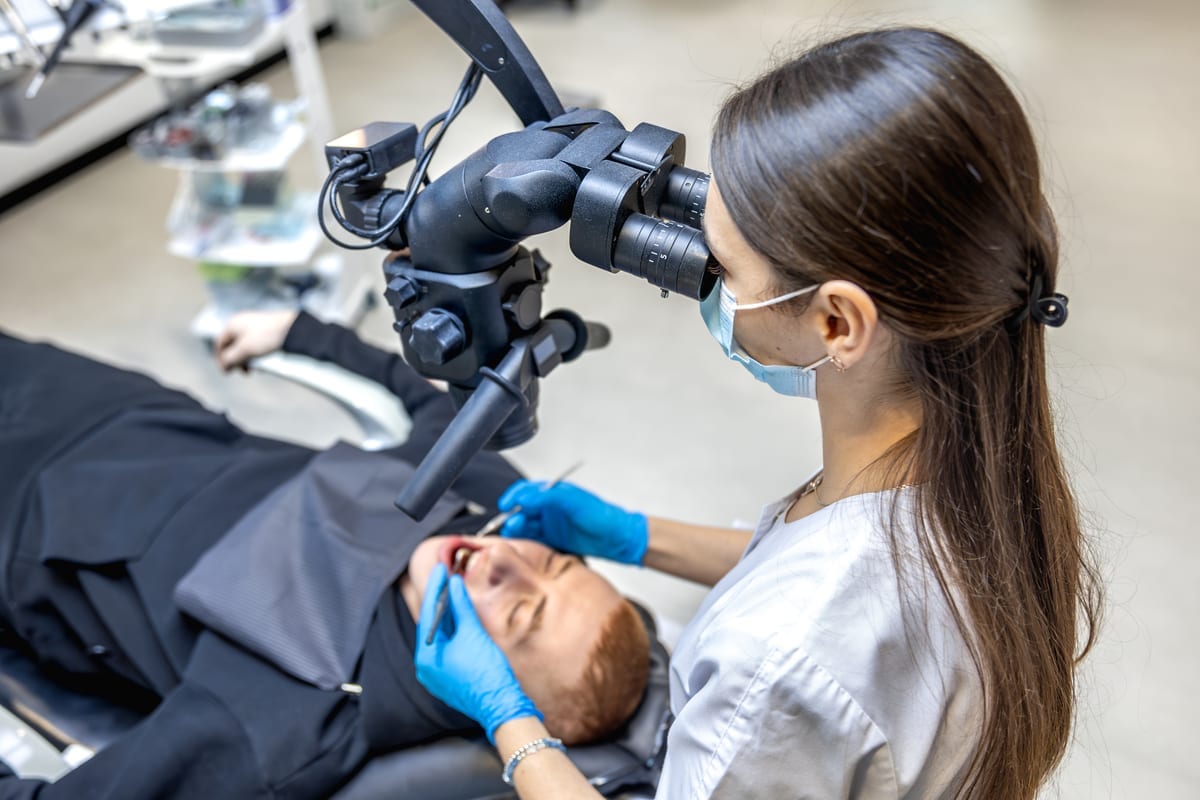
Root canal recovery is simpler than most patients expect. Understanding what to eat, when pain stops, and which red flags signal trouble helps you heal faster. At Drs Burau Cosmetic and Family Dentistry in Grand Blanc, MI, we guide every patient through recovery step by step. This post covers everything you need to know about Root Canals Treatment Grand Blanc recovery so you feel confident heading home.
What to Expect in the First 48 Hours After a Root Canal
The first two days after treatment are usually the most uncomfortable. Your tooth and surrounding gum tissue will feel tender and slightly swollen. This is completely normal and part of your body’s natural healing process. Most patients in Grand Blanc manage this phase well with a little preparation.
Numbness from local anesthetic typically lasts two to four hours after your appointment. Avoid eating on the treated side until full feeling returns. Biting down on a numb area is easy to do without realizing it, which can cause injury. Once feeling returns, stick to soft, easy-to-chew foods.
Expect some jaw stiffness from keeping your mouth open during the procedure. Light swelling around the treated area is also common. Apply a cold pack to your cheek in 10-minute intervals during the first 24 hours. This reduces swelling and helps ease discomfort quickly.
What to Eat During Root Canal Recovery in Grand Blanc
Your diet plays a big role in how smoothly you recover. Choosing the right foods protects the treated tooth and reduces irritation. Start with soft, cool, or lukewarm foods right after your procedure. Avoid anything hard, crunchy, chewy, or very hot for several days.
Here are foods that work well during the early recovery phase:
- Yogurt and smoothies (no seeds or chunks)
- Mashed potatoes and soft-cooked vegetables
- Scrambled eggs and soft-cooked oatmeal
- Soup with small, soft ingredients (not too hot)
- Soft fish like tilapia or salmon
- Bananas, avocado, and ripe melon
- Pudding, applesauce, and ice cream
Avoid sticky foods like caramel or gum — they can dislodge a temporary crown. Hard foods like chips, nuts, or raw carrots put pressure on the treated tooth. Spicy and acidic foods can irritate tender gum tissue. As healing progresses over the next one to two weeks, gradually reintroduce your normal diet.
Stay well hydrated throughout recovery. Water is your best choice. Avoid alcohol and carbonated beverages during the first few days. Good nutrition speeds tissue healing and reduces your risk of complications.
How Long Does Root Canal Pain Last — and Which Pain Relievers Help?
Mild-to-moderate soreness after a root canal is expected and temporary. Most patients feel significant improvement within two to three days. Full comfort typically returns within one to two weeks. Knowing this timeline helps you gauge whether your recovery is on track.
Over-the-counter pain relievers are usually enough to manage discomfort effectively. Dr. Alex Burau may recommend one or more of the following options:
- Ibuprofen (Advil, Motrin): Reduces both pain and inflammation. Take as directed on the label.
- Acetaminophen (Tylenol): Eases pain without affecting inflammation. Good if ibuprofen upsets your stomach.
- Alternating both: Staggering ibuprofen and acetaminophen every few hours can provide more consistent relief.
Always follow dosage instructions and consult Dr. Burau before combining medications. Do not exceed the recommended daily limits for either drug. If prescribed antibiotics, complete the full course even if you feel better early. Stopping early can allow bacteria to return.
Sensitivity to temperature — especially cold — may linger for a few weeks after treatment. This happens because the tooth and surrounding nerves are still settling. It is not a sign that something went wrong. The sensitivity should gradually decrease on its own.
Red Flags to Watch for After Your Root Canal
Most recoveries go smoothly, but certain symptoms deserve prompt attention. Knowing the warning signs puts you in control of your healing. Do not ignore these signals or wait to see if they resolve on their own. Contact Drs Burau Cosmetic and Family Dentistry in Grand Blanc right away if you notice any of the following.
Red flags that require a call or visit to your dentist include:
- Severe pain that gets worse after the third day instead of improving
- Swelling that spreads to your cheek, neck, or eye area
- A fever above 101°F that does not respond to fever reducers
- Pus or discharge around the treated tooth
- A visible bump or pimple on the gum near the tooth
- The temporary crown or filling falls out
- A bad taste in your mouth that does not go away
These symptoms may indicate an infection, a missed canal, or a cracked tooth root. None of these are causes for panic — they are treatable when caught early. The key is acting quickly rather than waiting. Your dental team is here to help.
Protecting Your Smile After Recovery Is Complete
After the root canal itself heals, the tooth still needs a permanent restoration. A dental crown is usually placed to protect the treated tooth from future fractures. Without a crown, the tooth is vulnerable to cracking under normal biting pressure. Talk to Dr. Burau about the best timing for your permanent restoration.
Good oral hygiene supports long-term success after root canal treatment. Brush gently twice daily and floss carefully around the treated tooth. Avoid chewing ice or hard candy, which can crack a restored tooth. Regular dental checkups allow Dr. Burau to monitor the treated area over time.
If you are also interested in refreshing your smile after recovery, explore options through Cosmetic Dentistry Grand Blanc. Treatments like teeth whitening can complement the work done on your tooth. A healthy, comfortable mouth is the foundation for any cosmetic improvement. Recovery is the first step toward a stronger, more confident smile.
Your Recovery, Your Comfort — We Are Here for You
Root canal recovery is very manageable when you know what to expect. Eat soft foods, use OTC pain relievers as directed, and watch for red flags. Most Grand Blanc patients feel much better within just a few days. Dr. Alex Burau and our entire team are committed to making your recovery as smooth as possible. Book Now to schedule your appointment with our team.
Frequently Asked Questions
How long does it take to fully recover from a root canal?
Most patients feel noticeably better within two to three days. Full recovery, including resolution of all sensitivity, typically takes one to two weeks. Your timeline may vary depending on the severity of the original infection and how well you follow post-care instructions.
Can I go to work the day after a root canal?
Many patients return to work the next day without any issues. If your job involves physical labor or extended speaking, you may want to take an extra day to rest. Listen to your body — mild fatigue after dental treatment is normal and usually short-lived.
Is it normal for my tooth to feel high or off when I bite?
Yes, it is common to feel like your bite is slightly uneven right after a root canal. This often resolves on its own as swelling goes down. If the feeling persists beyond a few days, call our office so Dr. Burau can make a simple bite adjustment.
When should I be worried about pain after a root canal?
Mild soreness in the first few days is completely expected. You should contact your dentist if pain becomes severe, worsens after day three, or is accompanied by swelling, fever, or discharge. These signs may indicate a complication that needs prompt treatment.
Do I need a crown after a root canal?
In most cases, yes. A crown protects the treated tooth from cracking and restores its full function. Dr. Burau will advise you on the right type of restoration based on which tooth was treated and your individual bite. Placing a crown promptly helps ensure long-term success.
Recent Post
October 12, 2026
Root Canal Recovery: What to Eat, When Pain Stops, Red Flags
October 5, 2026
Why Your Dental Abscess Might Be a Medical Emergency

September 28, 2026
Your Smile Makeover Journey: What Happens at Every Appointment

September 21, 2026
Why Your Teeth Hurt During Cleaning (And How We Stop It)
September 14, 2026
Root Canal vs Extraction: Which Option Saves You More Money Long-Term
Categories
Dental Health (39)