Currently, we are not accepting Medicaid, HMO or State Insurances


Does a Root Canal Really Hurt? What Modern Anesthesia Actually Does
August 10, 2026
Dental Health
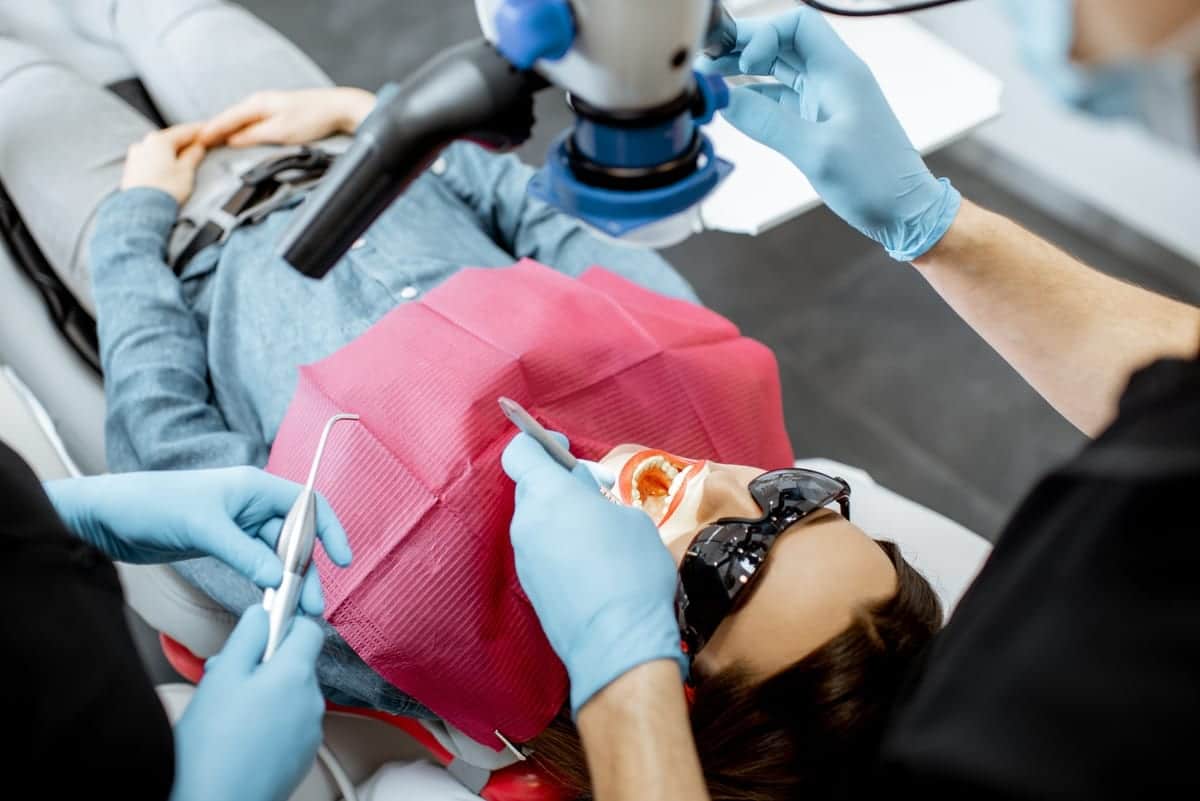
Few dental procedures carry more fear than a root canal. Most patients in Grand Blanc ask the same honest question: does a root canal really hurt? The short answer is — not as much as you think. Modern anesthesia has completely changed the experience. Dr. Alex Burau at Drs Burau Cosmetic and Family Dentistry wants you to understand exactly what happens, so fear does not keep you from the care you need.
The Old Fear vs. the Modern Reality of Root Canal Pain
The root canal’s bad reputation is decades old. Stories from the past described sharp, unbearable pain. Those stories came from a time before advanced numbing techniques existed. Today’s dentistry looks very different.
Modern local anesthetics are fast-acting and highly effective. Dentists also use finer needles and gentler injection methods. Most patients are genuinely surprised by how little they feel. The tooth and surrounding tissue go fully numb before any treatment begins.
What most patients actually feel is pressure — not pain. You may sense the dentist working, but that sensation is dull and manageable. If you ever feel discomfort during the procedure, simply raise your hand. Dr. Burau will pause and re-numb the area immediately.
Many Grand Blanc patients report that the days of toothache pain before the root canal were far worse. The procedure itself relieves that pain. Understanding this shift helps patients approach treatment calmly and confidently.
What Modern Anesthesia Actually Does During a Root Canal in Grand Blanc
Local anesthesia works by blocking nerve signals in a targeted area. Your dentist injects the anesthetic near the tooth’s nerve pathways. The tissue goes numb within minutes. You remain fully awake and comfortable throughout.
For Root Canals Treatment Grand Blanc, Dr. Burau uses lidocaine-based anesthetics as a standard first step. These are some of the most reliable numbing agents available. They act quickly and last well beyond the length of most procedures.
Some teeth with deep infections can be harder to numb completely. This happens because infected tissue changes the local pH level. In those cases, your dentist may use supplemental injections or a different anesthetic approach. The goal is always complete comfort before proceeding.
- Local anesthetic blocks nerve signals before any drilling begins
- Numbing typically takes effect within 5 to 10 minutes
- Supplemental injections are available if needed
- You can signal your dentist at any moment to pause
- Sedation options are available for highly anxious patients
Some patients choose nitrous oxide or oral sedation alongside local anesthesia. These options reduce anxiety without putting you to sleep. Ask Dr. Burau which approach suits your comfort level best.
What You Feel During vs. After the Procedure
During the root canal, you should feel very little. Pressure and vibration are normal sensations. Sharp or shooting pain is not. Speak up immediately if you feel anything beyond mild pressure.
The procedure involves removing infected pulp tissue from inside the tooth. The dentist then cleans and shapes the canals carefully. Finally, the canals are sealed to prevent reinfection. Most appointments take between 60 and 90 minutes.
After the procedure, the numbness wears off over one to three hours. Some soreness around the treated tooth is completely normal. This tenderness comes from tissue inflammation, not from a new injury. It typically peaks within the first 24 to 48 hours.
- Mild to moderate soreness for one to three days is expected
- Over-the-counter pain relievers manage discomfort well for most patients
- Avoid chewing hard foods on the treated side for a few days
- Keep the area clean with gentle brushing and rinsing
- A temporary or permanent crown protects the tooth afterward
Most patients return to normal daily activities within a day or two. Some people go back to work the very same day. The post-treatment soreness is far milder than the original toothache that brought them in.
When to Call Your Dentist After a Root Canal
Normal recovery involves manageable soreness that gradually improves. However, some symptoms signal a need to call the office. Knowing the difference helps you recover with confidence.
Contact Drs Burau Cosmetic and Family Dentistry if you experience any of the following. Severe pain that does not respond to over-the-counter medication is one concern. Visible swelling that grows rather than shrinks is another. A popping sensation in the treated crown or a loose temporary filling also warrants a call.
These situations are uncommon but important to address quickly. Dr. Burau’s team in Grand Blanc is available to answer questions and schedule same-day follow-ups when needed. Prompt attention prevents minor issues from becoming larger problems.
Remember that root canals have a very high success rate. The treated tooth can last a lifetime with proper care. Regular cleanings and checkups at your Grand Blanc dental office protect that investment long-term.
How Root Canals Connect to Your Overall Oral Health
A root canal saves a tooth that would otherwise need extraction. Keeping your natural tooth matters for bite alignment and jaw health. It also avoids the cost and complexity of tooth replacement options.
Patients who maintain their restored teeth often explore additional care options afterward. Many Grand Blanc residents combine restorative work with Cosmetic Dentistry Grand Blanc services to improve their overall smile. Crowns placed after root canals can be matched to surrounding teeth for a seamless look.
Good oral health habits extend the life of any dental work significantly. Brush twice daily and floss every day. Schedule routine professional cleanings at least twice a year. These habits protect both natural teeth and treated ones equally.
Dr. Alex Burau takes a whole-health approach to every patient’s care. Treating infection quickly with a root canal protects neighboring teeth. It also reduces the risk of bacteria spreading beyond the mouth. Early treatment is always the most comfortable and cost-effective path.
Conclusion: Pain Should Not Stand Between You and a Healthy Smile
Modern root canal treatment is nothing like the procedure from decades past. Effective anesthesia, gentle technique, and thorough aftercare make the experience far more manageable than most patients expect. The real pain is living with an infected tooth — not treating it. If you are experiencing tooth pain, sensitivity, or swelling in Grand Blanc, do not wait. Book Now to schedule your appointment with our team.
Frequently Asked Questions
Does a root canal hurt while it is happening?
Most patients feel little to no pain during the procedure itself. Local anesthesia numbs the tooth and surrounding tissue completely before treatment begins. You may feel pressure or vibration, but sharp pain is not normal. Raise your hand at any time and Dr. Burau will pause to ensure you are fully comfortable.
How long does soreness last after a root canal?
Mild soreness typically lasts between one and three days after treatment. The discomfort comes from normal tissue inflammation around the treated area. Over-the-counter pain relievers such as ibuprofen manage it well for most patients. If pain worsens after three days, contact the office for a follow-up assessment.
What makes modern anesthesia more effective than older numbing methods?
Today’s local anesthetics such as lidocaine act faster and last longer than older formulas. Dentists also use thinner needles and refined injection techniques that cause less discomfort. Supplemental injection methods allow dentists to target stubborn areas that resist standard numbing. These advances work together to make root canals dramatically more comfortable.
Can I drive myself home after a root canal?
If you received only local anesthesia, you can typically drive yourself home without any issue. The numbing affects only your mouth and does not impair your reflexes or judgment. If you chose oral sedation or nitrous oxide, you will need a driver for safety. Ask Dr. Burau’s team in Grand Blanc ahead of your appointment if you are unsure.
Is a root canal better than having the tooth pulled?
Saving your natural tooth is almost always the preferred option when possible. A root canal preserves the tooth’s root, which maintains jawbone density and bite alignment. Extractions require replacement options such as implants or bridges to fill the gap. Root canal treatment combined with a crown typically provides a long-lasting, functional result.
Recent Post
August 10, 2026
Does a Root Canal Really Hurt? What Modern Anesthesia Actually Does
August 3, 2026
Broken Tooth Emergency: What to Do Before Your Appointment

July 27, 2026
Veneers vs Bonding vs Whitening in Grand Blanc, MI
July 20, 2026
Teeth Cleanings Every 3 Months in Grand Blanc, MI
July 13, 2026
Root Canal Treatment in Grand Blanc, MI
Categories
Dental Health (31)