Currently, we are not accepting Medicaid, HMO or State Insurances
Your Teeth Cleaning Just Ended—Here’s What Happens Next
October 19, 2026
Dental Health
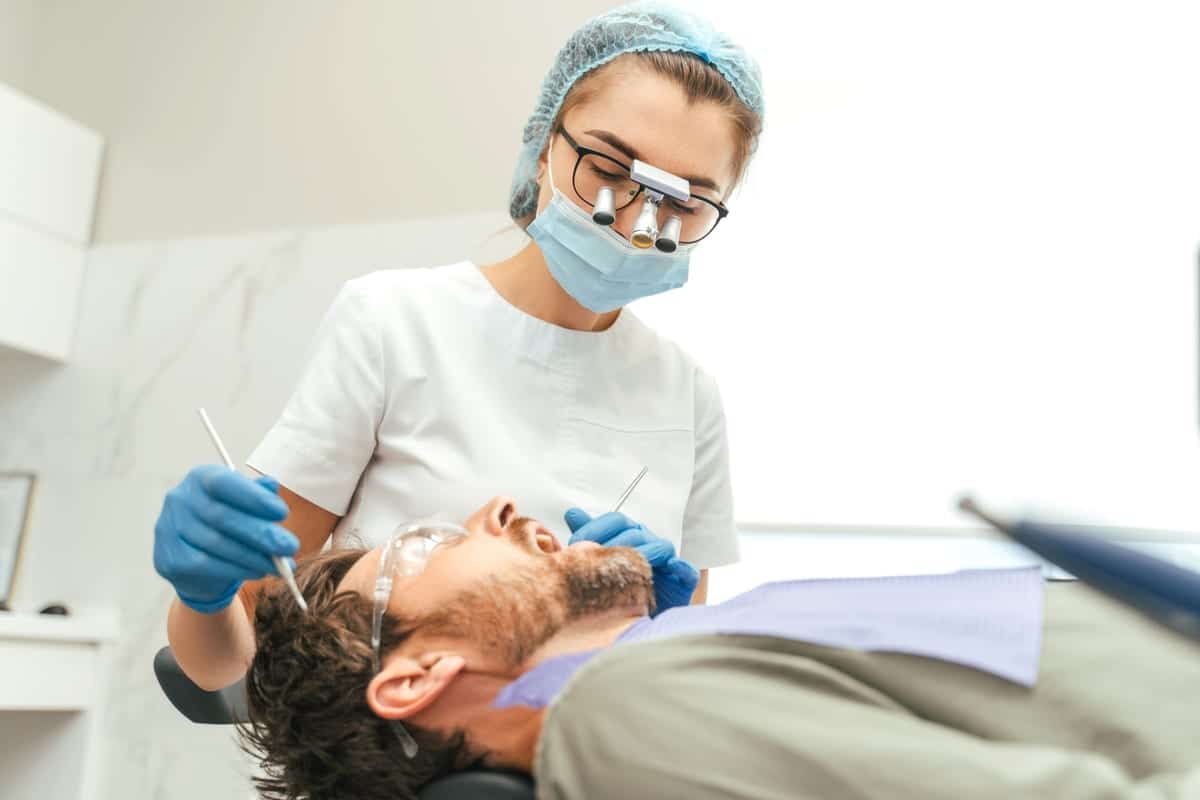
Your teeth cleaning just ended—here’s what happens next in Grand Blanc, and it matters more than most patients realize. The first few hours after a professional cleaning are a critical window. Your enamel is freshly polished, your gums may be slightly sensitive, and your teeth are more receptive to both good and harmful influences. Knowing exactly what to do next helps you protect your investment and extend the benefits of your visit at Drs Burau Cosmetic and Family Dentistry.
Why the Hours After Your Cleaning in Grand Blanc Matter Most
During a professional cleaning, our hygienist removes plaque, tartar, and surface stains. This process temporarily opens microscopic pores in your enamel. That means your teeth are more vulnerable to staining agents right after the appointment.
Your gums may also feel tender if significant buildup was removed. This sensitivity is completely normal and usually fades within 24 to 48 hours. Understanding this helps you make smart choices during the recovery window.
The good news is that this same open-pore period also means fluoride treatments and good oral care products absorb more effectively. Use this time to your advantage. Small choices in the next few hours can make a big difference in your results.
What to Eat and Drink After Your Teeth Cleaning
Food choices are one of the most important things to get right after your cleaning. Staining foods and drinks are your biggest concern in the first 24 to 48 hours. Your enamel is especially susceptible right now.
Here is a list of foods and drinks to avoid during the first 24 hours:
- Coffee and tea
- Red wine and dark juices
- Tomato-based sauces and ketchup
- Dark berries like blueberries and blackberries
- Soy sauce and balsamic vinegar
- Colored sports drinks and sodas
Instead, stick to lighter, gentler options. White or light-colored foods are your best friends right now. Think chicken, fish, rice, pasta with a light sauce, bananas, and plain yogurt.
If your gums feel sensitive, avoid very hot or very cold foods as well. Lukewarm or room-temperature items are easiest on tender gum tissue. Hydrating with plain water throughout the day also helps rinse away any lingering debris.
Your At-Home Routine Immediately After the Appointment
You might assume your teeth are clean enough to skip brushing tonight. That assumption can cost you. Your hygienist cleaned areas you cannot easily reach, but your daily home care still plays a vital role.
Follow these steps for the best aftercare routine:
- Brush gently within the first few hours — use a soft-bristled toothbrush and light pressure
- Floss before bed — this removes anything that shifted during the appointment
- Use a fluoride toothpaste — your enamel absorbs fluoride especially well right now
- Rinse with an alcohol-free mouthwash — this soothes sensitivity and fights bacteria without drying your mouth
- Avoid whitening toothpaste tonight — abrasive formulas can irritate freshly cleaned enamel
Dr. Alex Burau recommends keeping your oral care routine consistent every single day. One great cleaning does not replace daily brushing and flossing. Think of the cleaning as a reset button — your home routine maintains those results going forward.
Managing Sensitivity and Gum Tenderness After Your Cleaning
Some sensitivity after a cleaning is expected and completely normal. Patients who had more significant tartar buildup may notice more tenderness. This should not alarm you.
Here are simple ways to manage any discomfort:
- Use a sensitivity toothpaste like Sensodyne for a few days
- Eat softer foods to reduce pressure on tender gums
- Avoid extremely hot or cold beverages for 24 to 48 hours
- Take an over-the-counter pain reliever if needed — follow label directions
If sensitivity persists beyond two to three days or feels severe, contact our Grand Blanc office. Persistent discomfort can sometimes signal an underlying issue worth evaluating. Dr. Burau and the team are always happy to answer questions between visits.
It is also worth noting that gum tenderness is not a sign something went wrong. It simply means your hygienist did a thorough job removing buildup from areas that needed attention. Your gums will feel much better in a couple of days.
Connecting Your Cleaning to Your Bigger Dental Health Picture
A professional cleaning is one piece of a much larger oral health puzzle. Regular cleanings help prevent gum disease, cavities, and more serious conditions. But they work best when paired with other dental services as needed.
For example, if Dr. Burau detected early signs of decay during your exam today, a timely follow-up prevents a small problem from becoming a larger one. Untreated decay can eventually require Root Canals Treatment Grand Blanc to save the tooth. Staying on top of your cleaning schedule is genuinely one of the best ways to avoid more complex procedures.
On the cosmetic side, regular cleanings also prepare your smile for any enhancement you may want to pursue. If you have ever considered improving the appearance of your teeth, Cosmetic Dentistry Grand Blanc options pair beautifully with a freshly cleaned foundation. Clean teeth respond better to whitening treatments and other aesthetic services.
Think of your cleaning as the foundation of everything else. Good dental health is cumulative. Every smart choice you make today builds on the last one.
When to Schedule Your Next Cleaning in Grand Blanc
Most patients benefit from a professional cleaning every six months. Some patients with gum disease or higher plaque buildup may need visits every three to four months. Dr. Burau will give you a personalized recommendation based on your exam today.
Do not wait until something hurts to come back. Dental problems rarely announce themselves early. Regular visits let our team catch issues before they become painful or expensive to fix.
Mark your next appointment on the calendar before you leave. Patients who pre-schedule their next visit are far more likely to stay consistent with their care. Consistency is the single biggest factor in long-term dental health.
If you are not sure when your next cleaning should be, simply reach out to our Grand Blanc team and we will help you figure out the right schedule for your situation. We are here to make this easy for you. Book Now to schedule your appointment with our team.
Frequently Asked Questions
Can I eat right after a teeth cleaning?
Yes, but you should wait at least 30 minutes before eating anything. For the first 24 hours, avoid dark or staining foods and beverages like coffee, tea, and red wine. Your enamel is more porous right after a cleaning, which makes it easier for stains to set in.
Is it normal for my gums to bleed a little after a cleaning?
Light bleeding right after a professional cleaning is common, especially if it has been a while since your last visit. This typically settles down within a day or two. If bleeding continues beyond 48 hours or is heavy, contact Dr. Burau’s Grand Blanc office for guidance.
How long does sensitivity last after a teeth cleaning?
Most patients experience sensitivity for 24 to 48 hours after a cleaning. Using a sensitivity toothpaste and avoiding extreme temperatures helps manage this. If sensitivity lasts longer than three days or feels severe, reach out to our team for an evaluation.
Should I brush my teeth the same night as my cleaning?
Yes, absolutely. Gentle brushing and flossing the same evening helps maintain the results of your cleaning. Use a soft-bristled toothbrush and light pressure to avoid irritating any tender gum tissue. Skipping your home routine after a cleaning can allow bacteria to rebuild quickly overnight.
How often should I get a professional teeth cleaning?
Most patients need a professional cleaning every six months. However, some patients with gum disease, high plaque buildup, or other risk factors benefit from more frequent visits every three to four months. Dr. Alex Burau will recommend the ideal schedule based on your individual oral health needs.
Recent Post
October 19, 2026
Your Teeth Cleaning Just Ended—Here’s What Happens Next
October 12, 2026
Root Canal Recovery: What to Eat, When Pain Stops, Red Flags
October 5, 2026
Why Your Dental Abscess Might Be a Medical Emergency

September 28, 2026
Your Smile Makeover Journey: What Happens at Every Appointment

September 21, 2026
Why Your Teeth Hurt During Cleaning (And How We Stop It)
Categories
Dental Health (40)