Currently, we are not accepting Medicaid, HMO or State Insurances


What Types of Food Cannot Be Eaten With Dentures?
April 17, 2025
Denture Repair
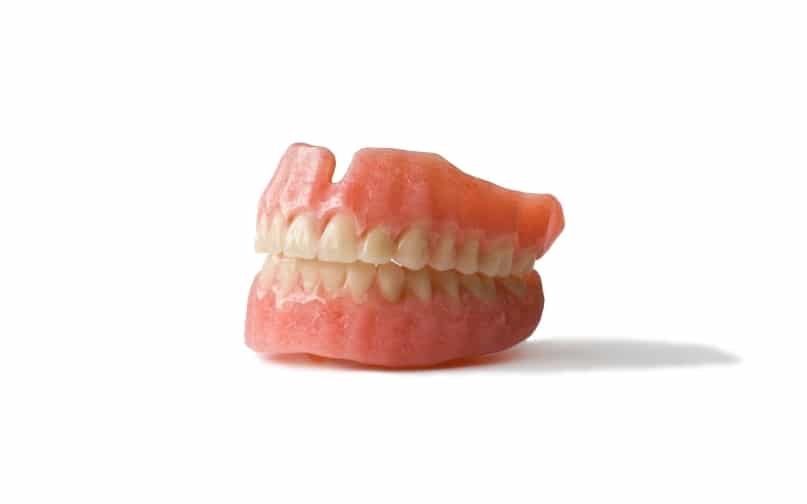
Besides restoring one’s confidence and smile, getting dentures sometimes removes one’s favorite snacks. But that is temporary.
Most denture wearers would agree that adjusting to the new diet is one of the most challenging and time-consuming steps of the process. While dentures assist with eating, they do not function exactly like natural teeth.
This blog will cover the types of foods that cannot be eaten with dentures, why you should avoid them, and offer suggestions for other things.
Why Some Foods Don’t Mix Well with Dentures?
You must seriously consider what you actually put into your mouth when you wear dentures. After all, they don’t have roots or nerves like natural teeth, so you end up losing a little bite strength and temperature sensitivity. This makes some foods difficult to chew and even dangerous in some instances.
Eating the wrong thing could lead to irritation, discomfort, or even broken dentures. And no one wants to be searching for denture repair in Grand Blanc after biting into a tough steak. That is why it is wise to know which foods are potential troublemakers.
Foods That Cannot Be Eaten With Dentures
The following are the top categories to watch out for: such textures and ingredients have been scientifically proven to harm denture wearers.
Hard Foods
- Raw carrots, apples, and other crunchy fruits/veggies;
- Hard candies or ice;
- Corn on the cob
- Nuts and seeds
Why avoid: These might break or chip your denture, or exert too much pressure on your gums.
Sticky Foods
- Chewing gum
- Caramels or taffy
- Peanut butter (especially the thick kinds)
Why avoid: They’ll be pulling on your dentures and sucking them loose during chewing.
Tough or Chewy Foods
- Steak or pork chops
- Jerky or dried meats
- Bagels, crusty bread, or pizza crust
Why to avoid: Those foods really take some major chewing, which is taxing on the jaw and loosens the dentures.
Foods with Tiny Particles
- Popcorn (especially the hulls)
- Seeded crackers or breads
- Granola
- Chia seeds or sesame seeds
Why to avoid: Tiny bits can get underneath the denture’s base, causing some irritation or infection.
Very Hot Foods and Beverages
- Hot coffee or tea
- Soup right off the stove
- Melted cheese (like in lasagna or pizza)
Why to avoid: Dentures tend to dull heat sensitivity, so they might burn without any indication.
What Can You Eat With Dentures?
- Previously cooked soft veggies (carrots, steamed squash, green beans)
- Soft fruits such as bananas, fully ripe pears, or peeled peaches.
- Ground meats: various slow-cooked stews
- Smooth soups or broths (after a while, cool a bit)
- Soft azure cheeses, scrambled eggs, and tofu
- All-natural whole grain bread, light toast, soft tortillas, fresh, smelly corny sandwich breads
- Pasta, rice, or oatmeal
- Yogurt, smoothies, pudding, and applesauce
Having dentures does not restrict you from eating everything you love. It means learning how to eat so it goes well with the overall maintenance of the dentures. With some time and mindful changes, you will be back to your regular lifestyle.
However, if you do feel any discomfort, do not wait. Make that appointment for maintenance or denture repair to have everything fitted perfectly and functioning as it ought to function.
Recent Post

August 3, 2026
Broken Tooth Emergency: What to Do Before Your Appointment

July 27, 2026
Veneers vs Bonding vs Whitening in Grand Blanc, MI
July 20, 2026
Teeth Cleanings Every 3 Months in Grand Blanc, MI
July 13, 2026
Root Canal Treatment in Grand Blanc, MI

July 6, 2026
Emergency Tooth Pain Care in Grand Blanc, MI
Categories
Denture Repair (5)