Currently, we are not accepting Medicaid, HMO or State Insurances


What Is the New Technique for Dental Implants?
September 28, 2024
Dental Implants
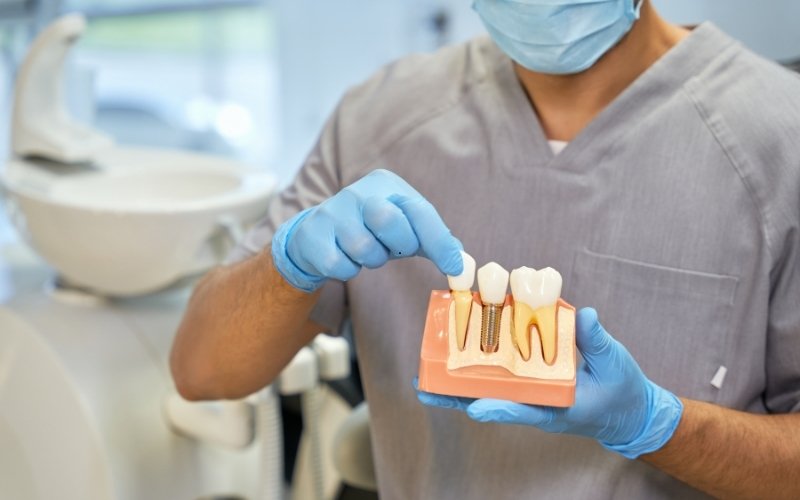
Dental implants are becoming more popular, with over 3 million people in the U.S. having them, and this number grows by 500,000 every year. This surge in demand stems from the importance of implants in restoring oral function and appearance for people with missing teeth. Traditionally, getting dental implants required a long, multi-step process that involved several visits, surgeries, and a long healing time.
However, with rapid technological advancements, a new technique for dental implants is transforming the process, offering faster, safer, and more efficient solutions for patients. Let’s explore this exciting evolution and how it benefits those considering implants.
Traditional Dental Implant Process: A Quick Overview
Traditional dental implants involve several stages over many months. First, the dentist examines the patient’s jawbone to ensure it can support an implant. If the bone is not thick enough, the patient needs bone grafting, which adds time and complexity.
Once the bone is ready, a metal post is surgically inserted into the jawbone. The post acts as the new tooth root. After this procedure, patients have to wait several months for the post to fuse with the bone before placing the artificial tooth.
This lengthy process posed challenges. Healing time was long, and patients needed multiple visits to the dentist. Also, those with poor bone density or inadequate bone height were unsuitable for implants without further surgical intervention. The process could take up to a year to complete from start to finish, making it a daunting task for many. But the new technique is changing all of that.
The New Technique for Dental Implants: What’s Changed?
The new dental implant technique brings major advancements that address the limitations of traditional procedures. One significant innovation is immediate load implants, which allow patients to receive a fully functional tooth on the same day the implant is placed. This eliminates the months of waiting for the bone to fuse to the implant. Immediate load implants are stable enough to handle pressure without compromising long-term success.
Another breakthrough is guided implant surgery. This technique uses advanced 3D imaging and digital planning tools to create a precise surgical guide for placing the implant. With this technology, dentists can perform more accurate and minimally invasive procedures. Robotics also assists with guided surgery, allowing for pinpoint precision that reduces surgical error.
Zygomatic implants are another innovation for patients with insufficient jawbone density. Instead of relying on the jawbone, these implants anchor into the zygomatic bone, making implants possible for those who previously couldn’t get them without extensive bone grafting.
Compared to traditional methods, these new techniques reduce recovery time and discomfort, increase accuracy, and offer solutions for a broader range of patients. The process is now quicker, safer, and more efficient than ever.
How the New Technique Works?
The new technique for dental implants is highly streamlined and minimally invasive. Here is how it works:
- Consultation and Planning: The dentist conducts a thorough evaluation using 3D imaging and digital scans to assess the patient’s dental structure. This allows for precise implant placement planning.
- Implant Placement: On the day of surgery, the dentist uses the digitally created surgical guide to place the implant. With the help of robotic assistance or 3D guidance, the implant is placed with exact precision.
- Immediate Load Implants: If suitable, the dentist can place the artificial tooth (crown) on the implant the same day. This allows patients to walk out of the clinic with a new, functional tooth without waiting months.
- Post-Surgery Recovery: Since the surgery is less invasive, recovery is faster. Patients experience less swelling and discomfort compared to traditional methods. In most cases, over-the-counter pain relief suffices.
This process minimizes pain, reduces complications, and significantly shortens the recovery period. With 3D guidance, implants are placed more accurately, lowering the risk of failure.
Benefits of the New Dental Implant Technique
The new dental implant technique offers several key benefits:
- Faster Recovery: The minimally invasive approach and precise placement reduce trauma to the surrounding tissues. Patients heal more quickly compared to traditional methods, with many returning to their normal routines in a few days.
- Fewer Clinic Visits: With techniques like immediate load implants, patients can get their permanent teeth in one visit. This reduces the need for multiple appointments, making the process more convenient for busy individuals.
- Better Outcomes for Complex Cases: For patients with poor bone density or low jawbone height, innovations like zygomatic implants make it possible to receive implants without bone grafting. This expands treatment options for a wider range of patients.
- Improved Accuracy and Success Rates: Thanks to the precision of 3D-guided surgery and robotic assistance, implant placement is more accurate. This lowers the risk of complications and increases the success rate of the procedure, ensuring long-lasting results.
These benefits make the new implant technique a game-changer for patients looking for an efficient and reliable way to replace missing teeth.
Who Is a Candidate for This New Implant Technique?
The new dental implant technique is suitable for many people. Ideal candidates are those in good general health, have healthy gums, and have enough bone to support the implant. Even if you have low bone density, solutions like zygomatic implants make it possible to get implants without the need for bone grafting.
Patients who are looking for a quicker solution with fewer clinic visits will benefit from this technique. If you have previously been told that you’re not a candidate for dental implants due to bone loss, the new technology may offer you a second chance. However, heavy smokers or those with uncontrolled chronic conditions, like diabetes, may need to discuss other options with their dentist.
The new technique for dental implants has revolutionized the field, making the process faster, less invasive, and more accurate. Patients now enjoy quicker recovery times, fewer clinic visits, and successful outcomes, even in complex cases. If you have been considering dental implants, this new technique could be your perfect solution. Consult with our dentist to explore if this advanced method suits your needs and can bring back your confident smile.
Recent Post

August 3, 2026
Broken Tooth Emergency: What to Do Before Your Appointment

July 27, 2026
Veneers vs Bonding vs Whitening in Grand Blanc, MI
July 20, 2026
Teeth Cleanings Every 3 Months in Grand Blanc, MI
July 13, 2026
Root Canal Treatment in Grand Blanc, MI

July 6, 2026
Emergency Tooth Pain Care in Grand Blanc, MI
Categories
Dental Implants (11)