Currently, we are not accepting Medicaid, HMO or State Insurances


Preparing for Tooth Extraction: What You Need to Know Before the Procedure

February 23, 2023
Tooth Extraction
Tooth extraction can be a daunting experience for many patients. It’s an invasive surgical procedure that requires preparation and care. Fortunately, preparing is the best way to ensure a successful tooth extraction. In this blog post, we’ll discuss how to prepare for your upcoming tooth extraction, including what you need to do before the procedure and what you should expect during and after it. With these essential tips, you can ensure that your tooth extraction goes as smoothly as possible.
What is tooth extraction?
The first step in preparing for tooth extraction is to schedule an appointment with your dentist. During the meeting, your dentist will ask about your medical history and perform a physical examination of your mouth. They will also take X-rays to determine if there is enough space in your mouth for the procedure.
After the initial consultation, your dentist will explain the tooth extraction procedure and answer any questions. They will also give you instructions on preparing for the process, including what to eat and drink beforehand.
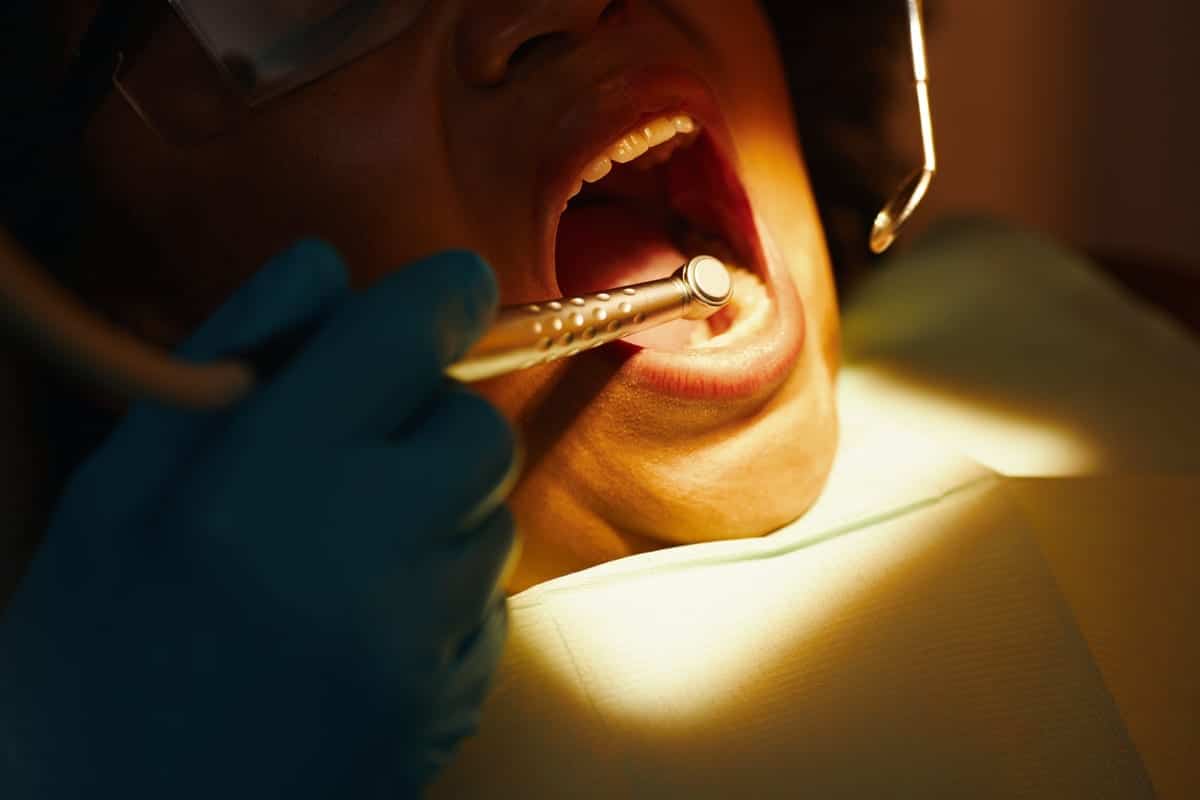
On the day of the procedure, you will need to arrive at the dental office early to be given anaesthesia. Once you are numb, the dentist will begin the tooth extraction by making an incision in your gum tissue. They will then remove the tooth and any surrounding bone. Finally, they will close the incision with stitches and place gauze over it to control bleeding.
You can expect discomfort after the procedure, but this can be managed with pain medication. It is essential to follow all post-operative instructions given by your dentist, such as eating soft foods and avoiding brushing near the extraction site. With proper care, your mouth will heal quickly, and you’ll be back to normal in no time!
Why might I need a tooth extraction?
There are a few reasons your dentist may recommend a tooth extraction. The most common cause is that the tooth is severely decayed or damaged and can’t be repaired with a filling or crown. Other reasons for tooth extraction include:
-The tooth is infected, and the infection is spreading to other teeth or other parts of your body.
-The tooth prevents other teeth from coming in (wisdom teeth are the most common type of teeth that need to be extracted for this reason).
-You have gum disease, and the tooth is loose or causing pain.
How do I prepare for a tooth extraction?
If you are scheduled for tooth extraction, there are a few things you can do to prepare. First, it is important to understand the reason for your extraction. This will help you be more mentally prepared for the procedure. The dentist will likely recommend an extraction if your tooth is decayed or damaged. The dentist may recommend extraction if you have an impacted wisdom tooth.
Once you know why you need to have a tooth extracted, you can begin preparing for the procedure. First, you should make sure to brush and floss your teeth thoroughly. This will help reduce the risk of infection after the procedure. Before the process, you should also avoid eating hard or sticky food that could damage your teeth.
It is also essential to plan for post-operative care. After having a tooth extracted, it is important to take care of the area where the tooth was removed. This means avoiding drinking from a straw, spitting, or smoking, as these activities can cause dry sockets – a painful condition that can occur after tooth extraction. You should also plan on taking it easy for at least 24 hours after tooth extraction and taking pain medication as needed to manage any discomfort.
What can I expect during and after the procedure?
Tooth extractions are fairly common procedures that dentists usually perform. The procedure is generally quick and easy, and most people recover without problems. However, it is important to be aware of what to expect during and after the procedure to be prepared for it.
During the procedure, the dentist will numb the area around the tooth with an injection. This will help to minimize any discomfort during the extraction. Once the tooth is removed, you may feel pressure or stiffness in the jaw. This is normal and should resolve within a few days.
After the procedure, avoiding drinking through a straw is important, as this can cause bleeding. You should also avoid smoking and eating hard or crunchy foods for at least 24 hours. These activities can put unnecessary pressure on your healing gums and delay recovery. To help with pain and swelling, take over-the-counter pain medication and apply ice packs to your face for 20 minutes.
In most cases, recovery from a tooth extraction is fairly straightforward and uncomplicated. However, if you have any concerns or experience any unusual symptoms, contact your dentist immediately.
Are there any risks or complications associated with tooth extraction?
As with any surgical procedure, there are some risks and complications associated with tooth extraction. These include:
– Bleeding: During and after the procedure, you may experience some bleeding. This is normal and will usually stop within a few hours.
– Swelling: You may also experience some swelling around the extraction site. This is also normal and will usually subside within a few days.
– Pain: Some discomfort is to be expected after the procedure. Over-the-counter pain medication can help alleviate this.
– Infection: Although rare, the infection can occur at the extraction site. Please contact your dentist immediately if you experience any redness, swelling, or pus drainage.
Conclusion
Tooth extraction can be a daunting experience, especially if it’s your first time. But with the right preparations, you can make sure that everything goes as smoothly as possible and reduce any anxiety or stress that comes with the procedure. Remember to follow your dentist’s instructions for before and after care so you can have a successful recovery period. With these tips in mind, we hope you will feel more confident about undergoing tooth extraction and know exactly what to expect from start to finish.
Recent Post

August 3, 2026
Broken Tooth Emergency: What to Do Before Your Appointment

July 27, 2026
Veneers vs Bonding vs Whitening in Grand Blanc, MI

July 20, 2026
Teeth Cleanings Every 3 Months in Grand Blanc, MI
July 13, 2026
Root Canal Treatment in Grand Blanc, MI

July 6, 2026
Emergency Tooth Pain Care in Grand Blanc, MI
Categories
Tooth Extraction (5)