Currently, we are not accepting Medicaid, HMO or State Insurances


How To Repair Dentures?
January 25, 2023
Dentures
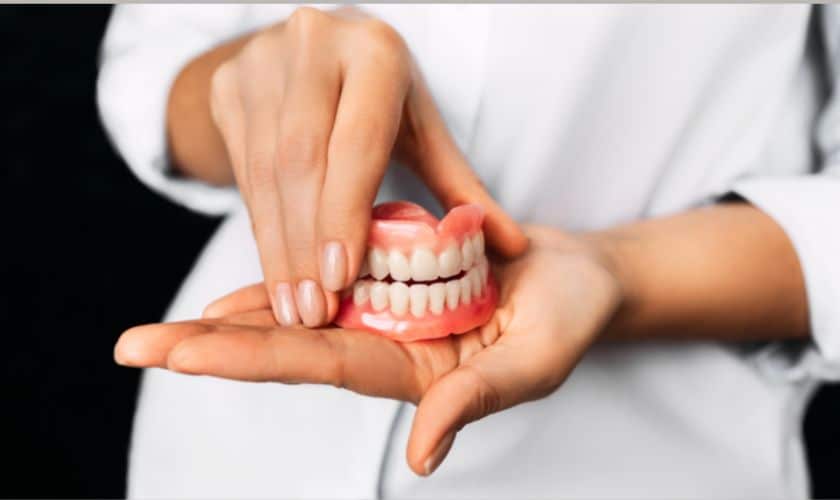
Dentures are the most effective when you have multiple missing teeth and maintain your facial appearance effectively. If you wear dentures, chances are you have had to make some repairs over the years. But did you know that you don’t need a professional to do it? With the right tools and materials, repairing your dentures can be done quickly and easily in the comfort of your own home. Let’s look at what you need to know about dentures and how you and your dentist can repair them like a pro!
Materials Needed For Denture Repair
Denture Adhesive
When it comes to repairing your dentures, a strong adhesive is one of the most important materials you will need. There are many different types available on the market today, so it’s important to choose one that is specifically designed for use with denture repair. Ensure that the adhesive is not expired, as this could cause it not to work correctly when used on your dentures.
Super Glue
Another material you may need for certain denture repairs is super glue. Super glues come in various types and strengths, so read the label carefully before purchasing one. Be aware that if too much adhesive is applied or left on too long, it can make your denture brittle and difficult to remove later down the road.
Moldable Plastic Putty Or Wax
If your denture has cracked or broken in two pieces, then moldable plastic putty or wax can be used as an effective repair method. This material is designed specifically for dental repairs. The moldable plastic putty should be handled carefully since it can be quite sticky when applied. Using gloves will help keep your hands clean while working with this material.
Step-by-Step Guide To Making Denture Repairs
Clean Your Denture
The first step in making any denture repair is to thoroughly clean both surfaces of the damaged area with water and soap. This will ensure that no bacteria will get trapped inside the repair area, leading to further issues.
Apply Adhesive Or Filler Material
Once your denture has been cleaned, apply a strong adhesive or moldable plastic putty/wax, depending on the repair needed. Be sure to use only a little glue or filler material, as this can cause more damage than good!
Allow Time To Set
After all the materials have been applied, allow time for everything to set completely before attempting any further repairs or adjustments. This could take anywhere from 10 minutes to an hour. It depends on what repair was made and how long you allowed everything to dry beforehand.
Conclusion
With these tips in mind, anyone can make simple repairs without relying on a professional dentist whenever something goes wrong! Of course, if you ever find yourself in a situation where more extensive repairs are required (such as replacing missing teeth), then seeking out a qualified dental technician would be advised instead of trying something at home that may end up being unsuccessful or even dangerous!
FAQs
#1: Can I fix my own broken tooth?
A: No – attempting dental work without proper training should always be avoided as this could lead to further complications, such as infections or nerve damage!
#2 – What tools do I need for basic dental repairs?
A: For most basic repairs (such as filling small cavities), all that is needed are some basic tools such as pliers or tweezers along with some dental cement which can usually be found at most pharmacies/drugstores/grocery stores, etc.
#3 – Do I need special skills for making minor dental repairs?
A: No – although having some knowledge about oral health and anatomy may help when selecting materials/tools.
Recent Post

October 19, 2026
Your Teeth Cleaning Just Ended—Here’s What Happens Next
October 12, 2026
Root Canal Recovery: What to Eat, When Pain Stops, Red Flags

October 5, 2026
Why Your Dental Abscess Might Be a Medical Emergency

September 28, 2026
Your Smile Makeover Journey: What Happens at Every Appointment

September 21, 2026
Why Your Teeth Hurt During Cleaning (And How We Stop It)
Categories
Dentures (1)