Currently, we are not accepting Medicaid, HMO or State Insurances


What Is the Best Age for Dental Implants? A Complete Guide
July 31, 2024
Dental Implants
What Are Dental Implants?
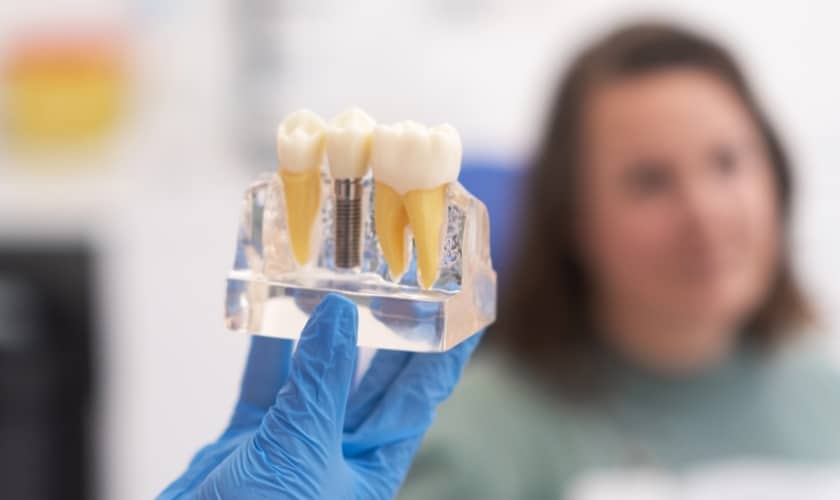
Dental implants are the gold standard for replacing missing teeth. They are small, screw-like posts made of titanium that are surgically placed into your jawbone. These implants act as artificial tooth roots, providing a strong foundation for permanent replacement teeth.
Here’s a breakdown of what dental implants are and how they function:
Components: A dental implant typically consists of three parts: the implant itself (placed in the jawbone), an abutment (connecting piece between implant and crown), and a dental crown (the visible replacement tooth).
Procedure: The implant placement is a minor surgical procedure performed by an oral surgeon or periodontist. The implant fuses with the jawbone in a process called osseointegration, creating a stable and durable base for the replacement tooth.
Benefits: Dental implants offer numerous advantages over traditional bridges and dentures, including:
- Natural look and feel: Implants function and feel very similar to natural teeth, improving your bite and speech.
- Durability: Implants are designed to last for many years with proper care.
- Improved oral health: Implants don’t require grinding down surrounding teeth, promoting overall oral health.
- Boosted self-confidence: A complete smile can significantly enhance your confidence and quality of life.
Ideal Age for Dental Implants
There isn’t a single “best age” for everyone when it comes to dental implants. However, two key factors influence suitability: jawbone development and overall health.
Minimum Age:
- Jawbone Development: The jawbone continues to develop until around 18-21 years old. Placing implants prematurely can disrupt this growth and potentially lead to complications.
- Exceptions: In some cases where a young adult has completed jawbone development (confirmed by X-rays), implants might be considered. However, prioritizing alternative solutions until full maturity is often recommended.
Maximum Age:
- Overall Health: There’s no upper age limit for dental implants as long as you’re in good overall health and have healthy gums.
- Considerations: Certain health conditions, like uncontrolled diabetes, may require additional evaluation before implant placement.
Best Age Range (Statistics and Success Rates):
Studies suggest a possible sweet spot between ages 25-40 for dental implant placement. This age range typically coincides with jawbone maturity and good overall health. However, success rates remain high for all age groups with proper planning and consideration of individual factors.
Individuals under 18 are generally not recommended for dental implants due to ongoing jawbone development. For young adults between 18 and 25, implants may be considered on a case-by-case basis after a Grand Blanc dentist assesses jawbone development using X-rays. The age range of 25-40 is often considered ideal because the jawbone is fully mature, and patients tend to be in good overall health. However, successful implant placement can be achieved for patients above 40 as well, with a thorough evaluation of their overall health being crucial.
Remember, this is a general guideline. Consulting a certified dentist for a personalized assessment is vital to determine if dental implants are the right choice for you at any age.
Factors to Consider Before Getting Dental Implants
While age plays a role, several other factors influence your suitability for dental implants. Here’s a breakdown of key considerations for a successful implant procedure:
Overall Health Conditions:
- Pre-existing medical conditions like uncontrolled diabetes, heart disease, or autoimmune disorders may require additional evaluation and clearance from your physician before implant surgery.
- Certain medications can also impact healing and osseointegration. Discuss all medications with your dentist beforehand.
Jawbone Health:
- Bone Density: Dental implants require sufficient bone density in the jaw to provide a stable foundation. X-rays or 3D scans will be used to assess your jawbone health.
- Bone Volume: If you’ve been missing teeth for a while, the jawbone might deteriorate in that area. Bone grafting procedures can sometimes be performed to increase bone volume before implant placement.
Oral Hygiene Habits:
- Smoking: Smoking can significantly hinder healing and increase the risk of implant failure. Quitting smoking well in advance of surgery is highly recommended.
- Gum Disease: Healthy gums are essential for successful implant placement. If you have gum disease (periodontitis), it will need to be treated before proceeding.
- Commitment to Oral Hygiene: Maintaining excellent oral hygiene through regular brushing, flossing, and professional cleanings is crucial for the long-term success of dental implants.
Number of Missing Teeth:
- Single Tooth Replacement: Replacing a single missing tooth is a straightforward procedure with a high success rate.
- Multiple Missing Teeth or Full Arch Replacements: More complex implant-supported bridges or dentures may require additional planning and consideration of factors like jawbone strength and distribution of implants.
Consulting a dentist in Grand Blanc who specializes in dental implants allows for a comprehensive evaluation of these factors and the development of a personalized treatment plan.
Don’t Wait to Achieve a Complete Smile!
While age is a factor to consider for dental implants, it’s not the sole determinant. A professional dentist can assess your individual situation, including jawbone development, overall health, and other crucial aspects, to determine if implants are the right choice for you. Dental implants offer a life-changing solution for replacing missing teeth. If you’re considering this option, schedule a consultation with a Grand Blanc dentist specializing in dental implants to discuss your candidacy and explore the possibilities of a complete and healthy smile.
Frequently Asked Questions
How long does the dental implant procedure take?
The implant placement procedure itself typically takes 1-2 hours per implant, depending on the complexity. However, the entire process, including planning, surgery, and crown placement, can take several months.
How much do dental implants cost?
Dental implant costs vary depending on factors like the number of implants needed, geographic location, and dentist expertise. Generally, implants are a significant investment, but they offer long-term value compared to traditional options. Some dental insurance plans offer partial coverage for implants. Discuss costs and insurance options with your dentist.
What is the success rate of dental implants?
Dental implants boast very high success rates, exceeding 95% with proper care. Success rates can vary depending on factors like age, overall health, and jawbone health.
Recent Post

December 3, 2025
Avoiding Sensitivity: The Safest Teeth Whitening Method in Grand Blanc

November 3, 2025
Fixing Yellow vs. Gray Stains: Is Teeth Whitening in Michigan Right for Your Discoloration?

October 3, 2025
The True Value of Your Premiums: Making the “Use-It-Lose-It” Policy Work for You

September 25, 2025
Are Root Canals Safe During Pregnancy? A Guide From Dr. Burau

August 1, 2025
Why Your Teeth Hurt After Eating Hot or Cold Foods and What to Do About It
Categories
Dental Implants (11)