Currently, we are not accepting Medicaid, HMO or State Insurances


Uncovering the Truth about Root Canals: Understanding the Treatment Process and Benefits
February 16, 2023
Root Canal Treatment
When it comes to dental care, the dreaded “root canal” is often the first thing that comes to mind. For many people, this procedure brings up fears of pain and discomfort. But what is a root canal? Is it as bad as people think? This blog post will uncover the truth about root canals and explore the treatment process and benefits. We’ll take a look at what happens during a root canal procedure, common myths associated with it, and how it can benefit your overall oral health in the long run. Let’s jump into it!
What is a root canal?
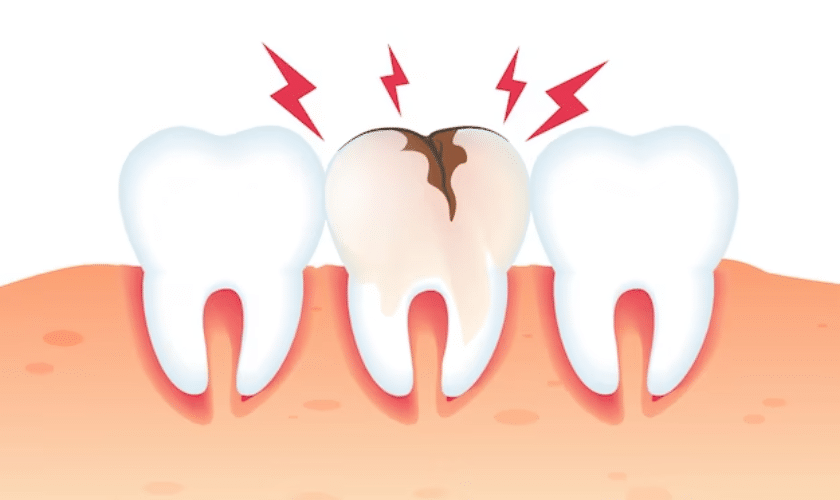
A root canal is a treatment used to save a tooth that has been severely damaged or is infected. The procedure involves removing the damaged or infected tissue from inside the tooth, cleaning and shaping the inside, and then filling and sealing it. Root canals are usually performed by dentists or endodontists (specialists who treat problems with the pulp inside teeth).
The most common reason for a root canal is an infection in the tooth’s pulp tissue. This can be caused by decay, trauma, or other conditions that damage the tooth. If left untreated, an infection in the pulp tissue can spread to other parts of the tooth or even to other body parts. A root canal procedure can remove the infected pulp tissue and save the tooth.
Root canals are also often performed to treat teeth that have been damaged by trauma. A cracked or broken tooth may not need a root canal if the damage does not extend into the pulp tissue. However, if the damage does extend into the pulp tissue, a root canal may be necessary to save the tooth.
There are many myths about root canals, but they are safe and effective procedures that have been used for many years. With proper care, teeth that have had root canals can last a lifetime.
The root canal treatment process
There are a lot of misconceptions about root canals out there, and we want to help set the record straight. A root canal is a very common procedure that many people undergo each year. It is performed when the soft tissue inside the tooth, known as the pulp, becomes infected or damaged. This can happen due to decay, injury, or other factors. During a root canal, the damaged pulp is removed,, and the inside of the tooth is cleaned and sealed. This helps to save the tooth from further damage and restores it to its full function.
The root canal treatment process begins with a consultation with your dentist. They will assess the damage to your tooth and determine if a root canal is necessary. If it is, they will numb the area around your tooth and make a small opening. Next, they will remove the damaged pulp and clean out the inside of your tooth. Finally, they will seal up your tooth and place a restoration on it, such as a crown. The entire process usually takes one or two visits to complete, and you should be able to return to your normal activities afterwards.
Root canals have gotten a bad rap over the years, but they are a very safe and effective way to save an injured or infected tooth. If you think you may need a root canal, be sure to talk to your dentist about all of your options so that you can make the best decision for your oral health.
The benefits of root canal treatment
Root canal treatment is often thought of as a painful, costly, and time-consuming procedure. However, root canal treatment can save you a lot of pain, money, and time in the long run. Root canal treatment is used to treat an infection that has reached the pulp of your tooth. The pulp is the soft tissue inside your tooth that contains blood vessels and nerves. If the pulp becomes infected, it can cause great pain, and the infection can spread to other parts of your body. Root canal treatment involves removing the infected pulp from your tooth and sealing off the tooth to prevent further infection. Although root canal treatment may sound like a daunting prospect, it is a very safe and effective procedure that can relieve your pain and save your tooth.
Alternatives to root canal treatment
There are a few alternatives to root canal treatment, but they are not as effective and can often lead to more problems. One alternative is to extract the tooth. This may be an option if the tooth is already heavily damaged or decayed and is beyond repair. However, extracting a tooth can cause other teeth to shift out of place and can lead to further problems with chewing and speaking. Additionally, gaps in your smile can make you self-conscious and affect your confidence.
Another option is what’s called “pulp capping.” This involves removing the damaged pulp tissue and placing a medicated dressing over the exposed nerve. Pulp capping is less invasive than a root canal and may be an option for teeth with minor damage. However, there is a greater risk that the infection will return and you will need a root canal after all.
Ultimately, root canal treatment is usually the best option to save your tooth and prevent further damage. It’s important to talk to your dentist about your treatment options to make the best decision for your oral health.
Conclusion
Root canals are a safe, effective way to save teeth that would otherwise need to be removed. While there is some discomfort associated with this treatment process, the benefits of having your tooth saved far outweigh any potential risks or pain. Understanding what root canals involve and knowing why they’re beneficial will help you make informed decisions about your oral health care choices. If you think you may need a root canal and want more information, speak to your dentist for personalized advice about whether it’s right for you.
Recent Post

February 2, 2026
Does Professional Teeth Whitening Make You Look Younger for a Date?

December 3, 2025
Avoiding Sensitivity: The Safest Teeth Whitening Method in Grand Blanc

November 3, 2025
Fixing Yellow vs. Gray Stains: Is Teeth Whitening in Michigan Right for Your Discoloration?

October 3, 2025
The True Value of Your Premiums: Making the “Use-It-Lose-It” Policy Work for You

September 25, 2025
Are Root Canals Safe During Pregnancy? A Guide From Dr. Burau
Categories
Root Canal Treatment (8)