Currently, we are not accepting Medicaid, HMO or State Insurances


How To Get Rid Of Infection After A Tooth Extraction
January 10, 2023
Tooth Extraction
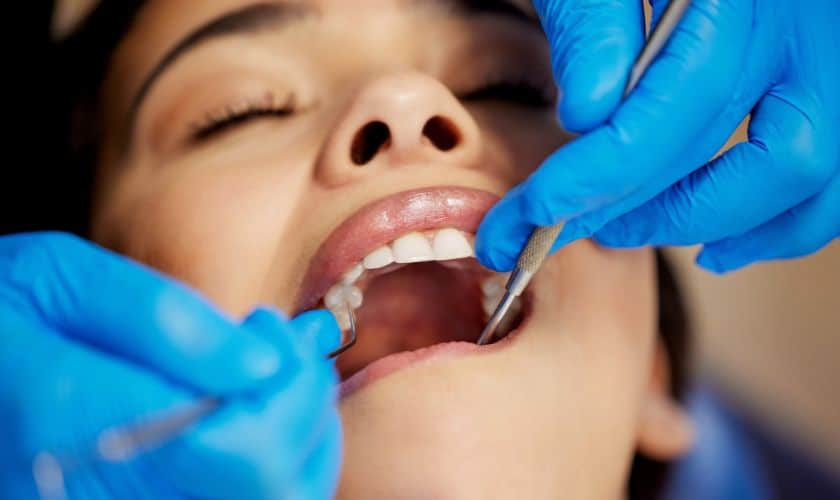
Getting a tooth extraction can be a stressful experience, and the last thing you want is to develop an infection after the procedure. Once the tooth extraction is complete, there are high chances of developing an infection in the extraction area. One of the most common signs of infection is that you might end up experiencing bleeding for more than 24 hours, followed by an unpleasant foul smell coming from your mouth. Fortunately, you can take some simple steps to help prevent and treat infection after tooth extraction. In this blog, we’ll discuss how to get rid of infection after tooth extraction so that you can stay healthy and enjoy your new smile.
Getting Rid of Infection After A Tooth Extraction
#1 Take Your Medication As Prescribed
The most important thing you can do to prevent and treat infection after a tooth extraction is to take your medication as prescribed by your dentist or oral surgeon. This may include antibiotics, painkillers, anti-inflammatories, or other medications. Make sure you take all medications exactly as directed for the full course of treatment to maximize their effectiveness. If you have questions about your medicine, don’t hesitate to ask your dental team for clarification.
#2 Practice Good Oral Hygiene
Another critical component of treating and preventing post-extraction infections is good oral hygiene. This includes brushing twice daily with fluoride toothpaste, flossing at least once daily, using mouthwash regularly, and avoiding tobacco products. You should also use a soft-bristled brush when brushing around the extraction area. If necessary, use a medicated mouth rinse prescribed by your dentist. Additionally, avoid drinking from straws or hot beverages during the healing period to minimize irritation around the extraction site.
#3 Use Ice Packs
If your face is swollen around the area where your tooth was extracted, applying an ice pack can help reduce inflammation and pain. Wrap an ice pack in a thin cloth before applying it so that it doesn’t cause further injury or discomfort to the affected area. Use the ice pack for no more than 20 minutes as needed throughout the day until the swelling subsides.
#4 Follow Post-Extraction Instructions Carefully
Your dentist will provide instructions on how best to care for yourself after tooth extraction; follow those instructions carefully to reduce the risk of infection. These instructions may include the following:
- Eating soft foods only for several days following extraction
- Avoiding physical activities such as running or lifting weights
- Avoiding touching or poking at the extraction site
- Rinsing with warm salt water several times per day
- Taking all medications as prescribed by your doctor or dentist.
Following these instructions closely will help ensure that you heal appropriately without complications from infection later on down the line.
Conclusion
Taking these steps will significantly reduce your chances of developing an infection after removing a tooth. It will help ensure that you heal quickly and correctly to enjoy all life’s activities pain-free! If symptoms persist longer than expected, please seek medical attention immediately to prevent further complications due to infection post-tooth removal procedure.
FAQs
Q: What should I do if I still experience pain/swelling/discomfort?
A: If persistent pain/swelling/discomfort persists despite following post-extraction instructions closely, please get in touch with your dentist immediately for further advice on the next steps.
Q: What are some common signs of infection post-tooth removal?
A: Common signs of infection post-tooth removal include persistent fever, increased swelling near the affected area, foul taste in the mouth, etc.
Q: Should I see my doctor if I notice any sign of infection?
A: Yes! If any sign of infection is present, please get in touch with a dentist immediately. They may prescribe necessary treatments, such as antibiotics which could eliminate symptoms associated with potential infections.
Recent Post
February 2, 2026
Does Professional Teeth Whitening Make You Look Younger for a Date?
December 3, 2025
Avoiding Sensitivity: The Safest Teeth Whitening Method in Grand Blanc
November 3, 2025
Fixing Yellow vs. Gray Stains: Is Teeth Whitening in Michigan Right for Your Discoloration?

October 3, 2025
The True Value of Your Premiums: Making the “Use-It-Lose-It” Policy Work for You

September 25, 2025
Are Root Canals Safe During Pregnancy? A Guide From Dr. Burau
Categories
Tooth Extraction (5)