Currently, we are not accepting Medicaid, HMO or State Insurances


Avoiding Sensitivity: The Safest Teeth Whitening Method in Grand Blanc
December 3, 2025
Teeth Whitening
Many of us strive for that white, bright smile, but sensitivity is often one of the irritating costs. If you have tried home teeth-whitening products, you may have felt discomfort afterward. This discomfort can make hot or cold foods and drinks painful, turning what is supposed to be an entertaining activity into a less-than-entertaining one. The good news is that, with the right approach, you can brighten your smile without the discomfort that often accompanies many whitening treatments.
The key to a pain-free whitening lies in choosing the safest, most effective methods. Professional teeth whitening, performed by a cosmetic dentist, will provide long-lasting results without sensitivity. In this blog, we will take you through the safest teeth whitening treatment options, how to avoid common pitfalls, and why seeking professional care is the best option for your smile.
Why Sensitivity Happens with Teeth Whitening?
Teeth whitening treatments work by using bleaching agents to break down stains, which can affect your enamel. Hydrogen peroxide or carbamide peroxide can be the active ingredient that infiltrates your enamel and temporarily weakens it. It is during such times that your teeth become sensitive to temperature changes or even substances around them.
This sensitivity is increased by overusing whitening products or using those not designed for your needs. Many over-the-counter options contain higher concentrations of whitening agents than professional products and can cause irritation and discomfort if misused. This is the reason why treatments with a cosmetic dentist are safer and more effective.
Benefits of Professional Teeth Whitening Treatment
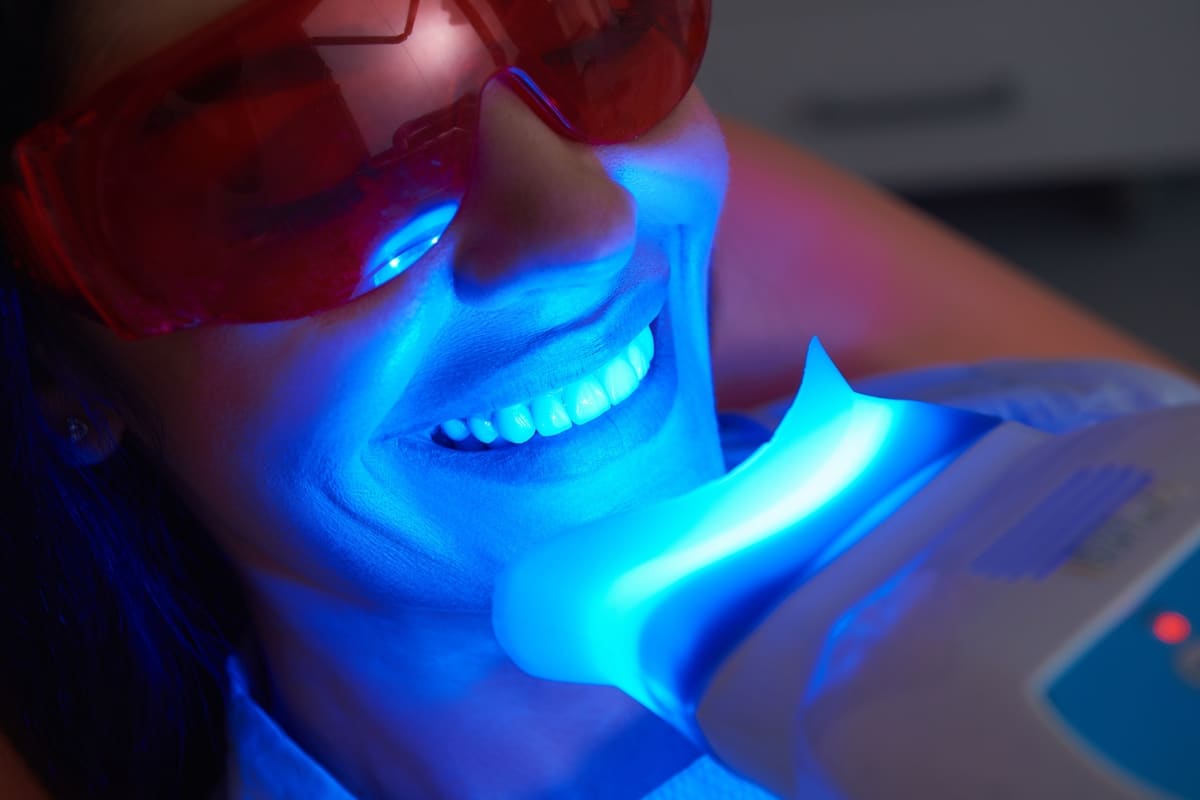
When it comes to brightening your teeth without the sensitivity that can go with it, professional teeth whitening in Grand Blanc, MI, is always the best option. Here is why this is the safest and most efficient choice:
- Personalized Treatment: The cosmetic dentist will tailor the whitening treatment to the individual’s dental needs to ensure a comfortable, practical result.
- Controlled whitening agents: Professional whitening treatments contain substantially controlled amounts of whitening agents, thereby minimizing irritation compared to OTC options.
- Protective Measures: Your dentist will protect your gums and tissues by applying barriers to avoid direct contact with the bleaching agents. It minimizes sensitivity.
- Special Desensitizing Agents: If the patient is concerned about sensitivity, then your cosmetic dentist can incorporate desensitizing treatments to ensure comfort during and after the procedure.
The Importance of Following Post-Treatment Care
After whitening, your teeth may be slightly more sensitive than usual for a short while. However, the discomfort should be light and transient. The key to avoiding sensitivity is to follow your dentist’s post-operative care instructions. This can include avoiding very hot or freezing foods and beverages for a couple of days, as well as using a fluoride toothpaste designed to soothe your enamel.
It is also essential to stay hydrated and keep the mouth clean to help the whitening outcomes. Maintaining good oral hygiene will help your teeth stay bright and minimize potential sensitivity. Though short-term, whitening does cause discomfort, and proper care afterward can be crucial for healthy, sensitive-free teeth.
Flash a Bright Smile with Confidence
This is where identifying the safest treatment method for teeth whitening is necessary to ensure comfort and the effectiveness of the result. Professional teeth whitening performed by a cosmetic dentist can brighten your smile without risking sensitivity. Whether you have felt discomfort with over-the-counter products in the past or you are simply looking for a more reliable solution, professional care is the answer.
Suppose you are ready to take the next step toward a brighter, more confident smile, Drs. Burau Cosmetic and Family Dentistry can help. Our team offers customized whitening treatments tailored to your needs and designed to keep you comfortable. Book an appointment with our dental office today, and let us help you achieve that bright, beautiful smile.
FAQs
- What causes teeth whitening sensitivity?
Teeth whitening sensitivity occurs when the bleaching agents in the treatment temporarily penetrate the enamel, causing it to become more porous and sensitive to temperature changes. While the effect is usually short-lived, it can make teeth feel sensitive to hot or cold foods and drinks immediately after the procedure. - Is professional teeth whitening less likely to cause sensitivity?
Yes, professional teeth whitening is less likely to cause sensitivity compared to at-home treatments. A cosmetic dentist customizes the process, using controlled amounts of whitening agents and protective barriers to reduce irritation and ensure a more comfortable experience. - How long does teeth whitening sensitivity last?
Sensitivity from teeth whitening typically lasts for a few hours to a day, depending on the individual and the type of treatment used. The discomfort should be mild and fade as your teeth return to normal, especially if you follow proper aftercare instructions. - Can I whiten my teeth if I have sensitive teeth?
Yes, even if you have sensitive teeth, you can still safely undergo professional whitening. Your cosmetic dentist can use desensitizing treatments to minimize discomfort and ensure a comfortable, practical whitening experience. - How often should I get my teeth whitened?
The frequency of teeth whitening treatments depends on your oral habits and lifestyle. Generally, professional whitening results can last from 6 months to 1 year, and your dentist can recommend touch-up treatments as needed. - What can I do to reduce sensitivity after whitening?
To reduce sensitivity after whitening, avoid consuming very hot or cold foods and drinks for the first few days. Additionally, using toothpaste designed for sensitive teeth and following your dentist’s aftercare advice can help soothe discomfort.
Recent Post
February 2, 2026
Does Professional Teeth Whitening Make You Look Younger for a Date?
December 3, 2025
Avoiding Sensitivity: The Safest Teeth Whitening Method in Grand Blanc
November 3, 2025
Fixing Yellow vs. Gray Stains: Is Teeth Whitening in Michigan Right for Your Discoloration?

October 3, 2025
The True Value of Your Premiums: Making the “Use-It-Lose-It” Policy Work for You

September 25, 2025
Are Root Canals Safe During Pregnancy? A Guide From Dr. Burau
Categories
Teeth Whitening (6)