Currently, we are not accepting Medicaid, HMO or State Insurances


How to Maintain Healthy Gums: Essential Tips for Optimal Oral Health
August 15, 2024
Dental Health
While many people focus on their teeth when it comes to oral care, healthy gums are just as critical for maintaining overall dental health. Gums provide essential support for your teeth and play a crucial role in protecting the roots and bone structure. Neglecting gum care can lead to gum disease, tooth loss, and other health complications. This article explores the importance of gum health and offers practical tips on how to maintain healthy gums for a lifetime.
Why Gum Health Matters
Gums, or gingiva, act as the protective tissue surrounding the base of your teeth, shielding the underlying bone structure. When gums are neglected, plaque buildup along the gumline can lead to inflammation and infection, resulting in gum disease.
There are two main stages of gum disease:
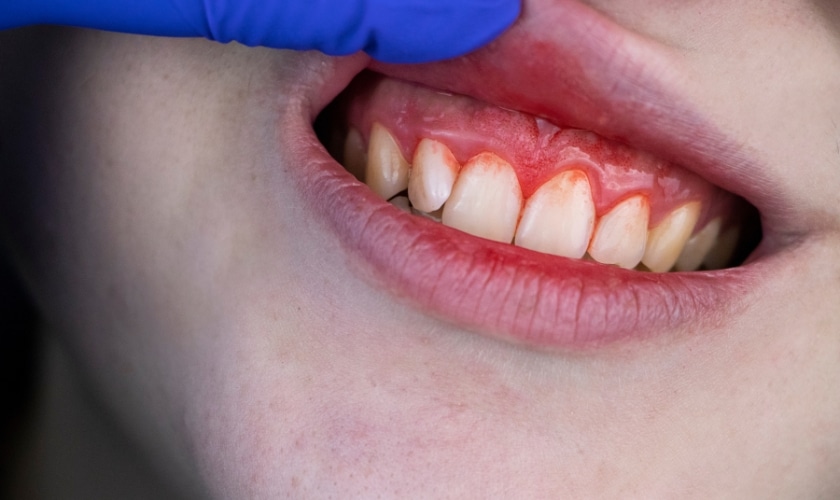
- Gingivitis: The earliest stage, characterized by red, swollen, and bleeding gums. Gingivitis is often reversible with proper care.
- Periodontitis: A more advanced stage that can lead to the destruction of gum tissue, bone loss, and eventually, tooth loss.
The consequences of gum disease don’t stop at your mouth. Studies have linked gum disease to various health conditions, including heart disease, diabetes, and respiratory infections. That’s why maintaining healthy gums is crucial not only for your dental health but also for your overall well-being.
Signs of Unhealthy Gums
Before diving into how to maintain healthy gums, it’s important to recognize the signs that your gums may need extra attention:
- Red, swollen, or tender gums
- Bleeding while brushing or flossing
- Receding gums, which make your teeth appear longer
- Persistent bad breath (halitosis)
- Loose or shifting teeth
- Pain when chewing
If you notice any of these signs, consult your dentist for professional advice and treatment. Early detection and intervention can prevent more serious gum problems.
Tips for Maintaining Healthy Gums
Here are some proven ways to maintain and promote healthy gums:
1. Brush Properly Twice a Day
Brushing your teeth isn’t just about keeping your teeth clean—it’s essential for maintaining healthy gums too. The way you brush matters. Use a soft-bristled toothbrush to avoid irritating your gums, and brush at a 45-degree angle to the gumline to remove plaque and food particles effectively.
Make sure to brush twice a day for at least two minutes, paying special attention to the area where your teeth meet your gums. A gentle, circular motion is best to avoid damaging the sensitive gum tissue.
2. Don’t Skip Flossing
Flossing is often overlooked, but it’s one of the most important steps in maintaining healthy gums. Flossing helps remove food particles and plaque from between your teeth and along the gumline—areas that your toothbrush can’t reach. Regular flossing reduces the risk of gum inflammation and gum disease.
To floss correctly, take about 18 inches of floss and slide it gently between your teeth, curving it around each tooth in a C-shape to get below the gumline. Be sure to floss daily for the best results.
3. Use Mouthwash for Added Protection
Antibacterial mouthwash can complement your brushing and flossing routine by reaching areas in your mouth that are hard to clean. Many mouthwashes contain ingredients that help reduce plaque and prevent gum disease. Look for a mouthwash that contains fluoride to strengthen your teeth and antibacterial agents like chlorhexidine to fight gum inflammation.
Using mouthwash after brushing and flossing can help remove any remaining debris and leave your mouth feeling fresh and clean. However, remember that mouthwash is not a substitute for brushing and flossing—it’s an added layer of protection.
4. Quit Smoking
Smoking is one of the leading causes of gum disease. It weakens your immune system, making it harder for your body to fight off infections, including gum disease. Smokers are more likely to develop periodontitis, which can lead to tooth loss.
Quitting smoking not only improves your overall health but also gives your gums a better chance to heal and stay healthy. If you need help quitting, consult your doctor or dentist for resources and support.
5. Eat a Balanced Diet
A diet rich in vitamins and minerals can support your gum health. Vitamin C, in particular, is crucial for gum tissue repair and regeneration. Foods like citrus fruits, strawberries, bell peppers, and leafy greens are excellent sources of vitamin C.
Additionally, foods high in calcium, such as dairy products, almonds, and leafy greens, can help strengthen your teeth and the bones supporting them. Avoid excessive sugar consumption, as sugar promotes plaque buildup, which can lead to gum disease.
6. Stay Hydrated
Drinking plenty of water helps wash away food particles and bacteria from your mouth, preventing plaque buildup that can damage your gums. Water also helps stimulate saliva production, which is your body’s natural defense against bacteria. Saliva neutralizes acids produced by bacteria and helps remineralize your teeth.
7. Visit Your Dentist Regularly
Even with the best at-home oral care routine, regular dental check-ups are essential for maintaining healthy gums. Your dentist can identify early signs of gum disease and provide professional cleaning to remove tartar (hardened plaque) that can’t be removed with brushing and flossing alone.
It’s generally recommended to visit your dentist every six months, but depending on your gum health, your dentist may suggest more frequent visits. During these check-ups, your dentist or dental hygienist will clean your teeth, check for any signs of gum disease, and offer personalized advice on how to improve your oral care routine.
8. Be Gentle with Your Gums
Aggressive brushing or flossing can actually harm your gums, causing them to recede or become irritated. Always use a soft-bristled toothbrush, and avoid scrubbing your gums too harshly. When flossing, be gentle and avoid snapping the floss into your gums. Your gums are delicate, and treating them with care will help prevent damage.
Maintaining healthy gums is vital for your overall oral health. A consistent routine that includes proper brushing, flossing, and the use of mouthwash can significantly reduce your risk of gum disease. Additionally, making healthy lifestyle choices, like quitting smoking and eating a balanced diet, will benefit your gums as well as your entire body.
Remember, healthy gums don’t just happen overnight. They require daily attention and care. By following these tips and visiting your dentist regularly, you’ll be well on your way to maintaining strong, healthy gums for life.
Recent Post

February 2, 2026
Does Professional Teeth Whitening Make You Look Younger for a Date?

December 3, 2025
Avoiding Sensitivity: The Safest Teeth Whitening Method in Grand Blanc

November 3, 2025
Fixing Yellow vs. Gray Stains: Is Teeth Whitening in Michigan Right for Your Discoloration?

October 3, 2025
The True Value of Your Premiums: Making the “Use-It-Lose-It” Policy Work for You

September 25, 2025
Are Root Canals Safe During Pregnancy? A Guide From Dr. Burau
Categories
Dental Health (16)