Currently, we are not accepting Medicaid, HMO or State Insurances


How Long Does It Take For Your Gum To Heal After Extraction?
January 12, 2024
Tooth Extraction
Welcome to our blog post on the intriguing topic of gum healing after extraction! Whether you’ve recently undergone a tooth extraction or are considering one in the near future, understanding the healing process and proper aftercare is essential for a smooth recovery. We’ll take you through everything you need to know about how long it takes for your gums to heal, different types of extractions, tips for faster healing, common complications to avoid, and even alternative methods for tooth replacement. So sit back, relax, and let’s dive into this fascinating journey of gum healing together!
Understanding The Process Of Extraction
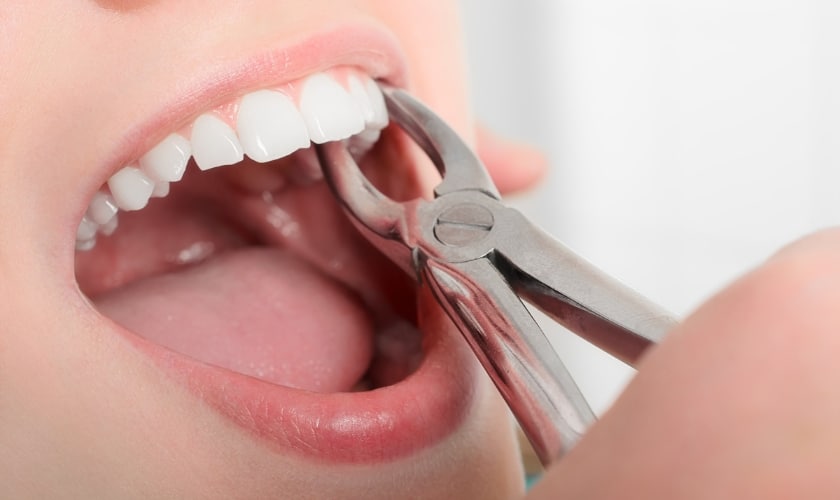
Gum extraction is a dental procedure that involves the removal of a tooth from its socket in the jawbone. It can be done for various reasons, such as severe decay, infection, overcrowding, or to prepare for orthodontic treatment.
The process typically starts with numbing the area around the tooth using local anesthesia to ensure you don’t feel any pain during the procedure. Once you’re comfortably numb, your dentist will carefully loosen and remove the tooth using specialized tools.
After extraction, it’s common for bleeding to occur. Your dentist may place a gauze pad over the extraction site and ask you to bite down on it firmly to help control bleeding and promote blood clot formation. This clot serves as a protective barrier while your gums heal.
In some cases, stitches may be required to close the wound properly. These stitches are usually dissolvable and will gradually disappear on their own within a week or two.
As with any surgical procedure, there may be some discomfort following gum extraction. Your dentist will provide instructions on how to manage pain and swelling through over-the-counter medication or prescribed painkillers if necessary.
Remember that every individual’s healing process is unique. While most people experience mild discomfort and swelling for a few days after an extraction, complete healing can take anywhere from one to two weeks or longer, depending on various factors like your overall health and adherence to proper aftercare practices.
Understanding what happens during gum extraction sets the foundation for effective aftercare strategies that promote faster healing and minimize complications. So, let’s move on to our next section, where we explore essential tips for optimal gum healing!
The Importance Of Proper Aftercare For Gum Healing
- Proper aftercare is crucial for the healing of your gums after extraction. Taking care of your mouth post-extraction not only promotes faster healing but also helps prevent complications and infections.
- One important aspect of aftercare is maintaining good oral hygiene. However, it’s essential to be gentle while brushing and flossing around the extraction site to avoid irritating the area. Using a soft-bristle toothbrush can help minimize discomfort.
- Keeping the extraction site clean is also vital. Your dentist may recommend rinsing with salt water or an antimicrobial mouthwash to reduce bacteria growth and promote healing. Just remember not to swish vigorously, as this can dislodge blood clots that aid in the healing process.
- Another key factor in proper aftercare is following any dietary restrictions given by your dentist. Avoid hard, crunchy foods that could potentially damage or irritate the extraction site. Opt for softer foods like yogurt, mashed potatoes, and smoothies during the initial days.
- Managing pain and swelling is also necessary during gum healing. Your dentist may prescribe pain medications or suggest over-the-counter options like ibuprofen. Applying an ice pack on your cheek near the extraction site can help reduce swelling, too.
- Attending follow-up appointments with your dentist allows them to monitor your progress and address any concerns promptly. If you experience persistent bleeding, severe pain, or signs of infection such as fever or pus discharge from the socket, contact your dentist immediately.
- Remember that each person’s healing time may vary depending on various factors, such as overall health and the type of extraction performed. By following these essential steps for proper aftercare diligently, you can ensure a smoother recovery process and get back to normalcy sooner!
The Average Healing Time For Different Types Of Extractions
Different types of gum extractions can have varying healing times depending on the complexity of the procedure and individual factors. On average, it takes about one to two weeks for the gums to heal after a simple extraction. This type of extraction involves removing a tooth that is visible in the mouth.
For more complex extractions, such as surgical or impacted tooth removal, the healing process may take longer. It can range from two to four weeks or even more in some cases. These extractions require additional steps like incisions and stitches, which increase the healing time.
The location of the extracted tooth also plays a role in healing time. Teeth towards the front of your mouth tend to heal faster compared to those at the back due to better blood supply and easier access for cleaning.
It’s important to remember that these are general averages, and each person’s healing process may vary. Factors such as overall health, oral hygiene practices, and adherence to post-extraction instructions can all influence how quickly your gums heal.
During this healing period, it’s crucial to follow proper aftercare instructions provided by your dentist or oral surgeon. This includes avoiding strenuous activities that could disrupt blood clot formation at the extraction site, practicing good oral hygiene by gently brushing around but not directly over the extraction area, rinsing with the salt water solution as recommended by your dentist, and sticking to soft foods until you fully recover.
In case you experience prolonged pain or swelling after several days following an extraction or any other concerning symptoms like excessive bleeding or infection signs (such as fever), contact your dental professional immediately for further evaluation.
Remember that everyone’s journey through gum healing is unique! By taking care of yourself during this recovery period and keeping up with regular dental visits afterward, you’ll help ensure optimal long-term oral health.
Tips For Faster And More Effective Gum Healing
Proper aftercare is crucial to ensure a speedy recovery and effective healing after gum extraction. Here are some tips to help facilitate faster gum healing:
1. Follow your dentist’s instructions: Your dentist will provide specific guidelines for post-extraction care, such as avoiding certain foods or behaviors. It’s important to adhere to these instructions closely.
2. Maintain good oral hygiene: Keeping the extraction site clean is vital for promoting healing. Gently brush your teeth twice a day with a soft-bristled toothbrush, being careful around the extraction area.
3. Rinse with saltwater solution: Saltwater rinses can help reduce inflammation and prevent infection. Mix half a teaspoon of salt in warm water and gently swish it around your mouth several times a day.
4. Apply cold compresses: To alleviate swelling, apply ice packs or cold compresses on the outside of your cheek near the extraction site.
5. Stick to soft foods: Opt for softer foods that require minimal chewing while your gums heal. Soups, mashed potatoes, yogurt, and smoothies are excellent options during this time.
6 Stay hydrated: Drink plenty of water to keep yourself well-hydrated, which promotes overall health, including gum healing process
Remember that everyone heals at their own pace; however, following these tips can assist in expediting the recovery process so you can get back to enjoying a healthy smile sooner rather than later!
Common Complications And How To Avoid Them
While gum extraction is a common dental procedure, there are some complications that can arise during the healing process. It’s important to be aware of these potential issues and take steps to avoid them for a smoother recovery.
One common complication is infection. After an extraction, the area where the tooth was removed is vulnerable to bacteria entering and causing an infection. To avoid this, it’s crucial to follow your dentist’s instructions for proper oral hygiene. This includes gently brushing your teeth twice a day with a soft-bristled brush, using mouthwash recommended by your dentist, and avoiding smoking or tobacco products, which can delay healing.
Another complication that can occur is a dry socket. This happens when the blood clot that forms in the extraction site becomes dislodged or dissolves before the wound has had a chance to heal fully. To prevent dry sockets, it’s important not to rinse or spit forcefully immediately after the procedure. Additionally, avoid drinking through straws, as this could create suction in your mouth.
Swelling and pain are also common complications following gum extraction. To reduce swelling, apply an ice pack wrapped in cloth on your cheek near the affected area for 10-15 minutes at a time throughout the first day after surgery. Pain medications prescribed by your dentist may also help alleviate discomfort.
Excessive bleeding can be another concern post-extraction. To minimize bleeding, bite down gently on gauze pads placed over the surgical site for about 30 minutes after leaving your dentist’s office.
By being proactive about preventing these complications through proper care and diligently following instructions from your dentist, you will greatly reduce any risk factors associated with gum extractions.
Alternative Methods For Tooth Replacement
- Alternative methods for tooth replacement can be a great option for those who have undergone gum extraction. While dentures and dental bridges have been the traditional go-to solutions, there are now more advanced and innovative options available.
- One popular alternative is dental implants. These are artificial tooth roots that are surgically placed into the jawbone, providing a strong foundation for replacement teeth. Dental implants not only look and feel like natural teeth but also provide long-lasting results. They can help improve chewing ability, prevent bone loss in the jaw, and maintain facial structure.
- Another alternative method is implant-supported dentures or All-on-4 implants. This technique involves placing four dental implants strategically in the jawbone to support an entire arch of prosthetic teeth. This provides stability and eliminates the need for removable dentures.
- For those looking for a non-surgical option, removable partial dentures may be suitable. These are custom-made appliances that replace missing teeth by attaching to neighboring natural teeth using metal clasps or precision attachments.
- There are also fixed bridges that involve placing crowns on adjacent healthy teeth to support an artificial tooth between them.
- When considering alternative methods for tooth replacement after gum extraction, it’s important to consult with your dentist to determine which option suits you best based on your specific needs and oral health condition.
The healing time for your gums after extraction can vary depending on the type of extraction and how well you take care of your oral health. It is essential to follow proper aftercare instructions provided by your dentist to ensure a smooth and speedy recovery.
Remember, patience is key when it comes to gum healing. Give yourself time to heal and refrain from engaging in activities that may hinder the process. If you experience any complications or prolonged discomfort, be sure to contact your dentist for further guidance.
While losing a tooth can be distressing, there are alternative methods available for tooth replacement, such as dental implants or dentures. Discuss these options with your dentist to determine which solution is best suited for you.
The healing journey may require some effort on your part, but taking proactive steps toward optimal oral health will greatly contribute to faster and more effective gum healing. So take care of those precious gums, brush regularly, floss diligently, and maintain regular visits with your dentist – because healthy gums are the foundation of a beautiful smile!
Recent Post

February 2, 2026
Does Professional Teeth Whitening Make You Look Younger for a Date?

December 3, 2025
Avoiding Sensitivity: The Safest Teeth Whitening Method in Grand Blanc

November 3, 2025
Fixing Yellow vs. Gray Stains: Is Teeth Whitening in Michigan Right for Your Discoloration?

October 3, 2025
The True Value of Your Premiums: Making the “Use-It-Lose-It” Policy Work for You

September 25, 2025
Are Root Canals Safe During Pregnancy? A Guide From Dr. Burau
Categories
Tooth Extraction (5)