Currently, we are not accepting Medicaid, HMO or State Insurances


Gum Contouring Recovery: A Complete Guide
July 7, 2024
Uncategorized
What is Gum Contouring Recovery?
Gum contouring recovery is the healing process following a minimally invasive surgical procedure designed to reshape your gum tissue. This procedure, also known as gum reshaping or gingivectomy, can address a variety of cosmetic and functional concerns related to your gums.
Here’s a breakdown of what gum contouring entails:
1. Definition of Gum Contouring: It’s a surgical procedure performed by a dentist or periodontist (gum specialist) to remove or reshape excess gum tissue.
2. Types of Gum Contouring: There are two main methods used for gum contouring:
- Laser Gum Contouring: This technique utilizes a laser to precisely target and remove gum tissue. It often results in minimal bleeding and faster healing times.
- Scalpel Gum Contouring: A traditional method that involves using a scalpel to remove or reshape gum tissue. Stitches may be required to close the surgical site.
3. Reasons for Gum Contouring: People opt for gum contouring for various reasons, including:
- Gummy Smile: When excessive gum tissue exposes minimal tooth surface, creating the appearance of a “gummy” smile.
- Uneven Gum Line: This can cause some teeth to appear longer than others due to uneven gum levels.
- Functional Concerns: In some cases, excess gum tissue can interfere with proper brushing and flossing, potentially leading to gum disease.
The Gum Contouring Recovery Process
Gum contouring recovery in Grand Blanc typically involves a well-defined healing timeline. Here’s a breakdown of what you can expect at different stages following your procedure:
A. Immediately Following Surgery (What to Expect):
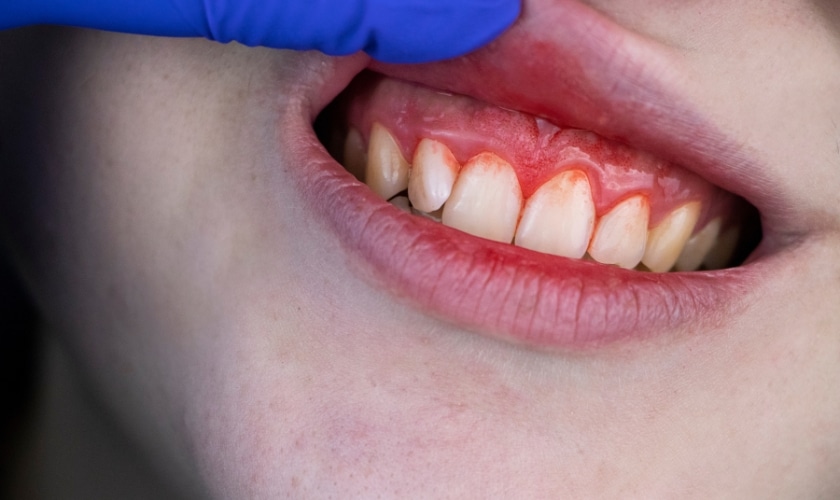
- Swelling: You’ll likely experience some swelling around the treated area, which usually peaks within 24-48 hours.
- Bleeding: Minor bleeding is common, especially if a scalpel is used. Your dentist will provide instructions on how to manage any bleeding.
- Numbness: Anesthesia used during the procedure can cause temporary numbness in the treated area. This should wear off within a few hours.
B. 1-3 Days After Surgery (Pain Management):
- Discomfort: You may experience some soreness and discomfort in the gums. Over-the-counter pain relievers like ibuprofen or acetaminophen can help manage this.
- Sensitivity: Your teeth and gums might be sensitive to cold or hot temperatures. Opt for lukewarm or room-temperature foods and beverages during this time.
C. 3-7 Days After Surgery (Healing Progress):
- Gradual Improvement: Swelling and discomfort should gradually subside.
- Brushing and Flossing: You can resume gentle brushing and flossing, following your dentist’s specific instructions.
D. 1-2 Weeks After Surgery (Diet and Oral Hygiene):
- Diet: Maintain a soft food diet to minimize irritation to the healing gums. Avoid spicy, acidic, or hard foods that can cause discomfort.
- Oral Hygiene: Continue gentle brushing and flossing, paying close attention to the treated area but avoiding harsh scrubbing.
E. Full Recovery (Timeline and Individual Variations):
- Complete Healing: Full recovery can take anywhere from one to two weeks, depending on the extent of the procedure and your individual healing rate.
- Individual Variations: Factors like the amount of tissue removed, the type of gum contouring used, and your overall health can influence healing time.
Gum Contouring Aftercare Tips
Following proper aftercare instructions is crucial for a smooth and comfortable gum contouring recovery in Grand Blanc. Here are some key tips to promote healing and minimize complications:
A. Pain Management:
- Over-the-counter pain relievers: Take medication as prescribed by your dentist to manage any pain or discomfort.
- Cold compress: Apply a cold compress wrapped in a thin cloth to the outside of your cheek near the treated area to reduce swelling. Use 20-minute intervals with breaks in between to avoid tissue damage.
B. Bleeding Control:
- Gentle pressure: If you experience minor bleeding, apply gentle pressure with a gauze pad to the affected area for 10-15 minutes.
- Avoid strenuous activity: Avoid strenuous exercise or activities that can elevate your blood pressure for the first few days after surgery, as this can increase bleeding.
C. Diet:
- Soft foods: Stick to a soft food diet for the first week to minimize irritation to the healing gums. Examples include yogurt, mashed potatoes, applesauce, and soft vegetables.
- Avoid certain foods: Avoid hard, crunchy, spicy, acidic, or sticky foods that can irritate the gums or hinder healing.
- Straws: Avoid using straws for drinking, as the suction can dislodge blood clots and disrupt healing.
D. Oral Hygiene:
- Brushing: Brush your teeth gently twice a day with a soft-bristled toothbrush. Use lukewarm water and avoid brushing directly on the treated area for the first few days.
- Flossing: Floss gently around the treated area, following your dentist’s instructions. You can use a water flosser on a low setting if approved by your dentist.
- Maintain good oral hygiene: Continue your regular oral hygiene routine, but be extra gentle around the treated area to prevent infection.
E. Signs of Infection (Seek Medical Attention):
Be aware of signs of infection that may require immediate medical attention, such as:
- Increased pain and swelling
- Fever
- Pus drainage from the treated area
- Persistent bad breath
Potential Risks and Complications
Gum contouring is a generally safe procedure, but like any surgery, there are potential risks and complications to be aware of. Here’s a breakdown of some common concerns:
A. Infection:
- Infection is a potential risk after any surgical procedure. Signs of infection include increased pain, swelling, fever, pus drainage, and persistent bad breath. If you experience any of these symptoms, contact your Grand Blanc dentist immediately.
- To minimize the risk of infection, it’s crucial to maintain good oral hygiene and follow your dentist’s aftercare instructions carefully.
B. Bleeding:
- Minor bleeding is common immediately following surgery, especially with scalpel procedures. Gentle pressure with a gauze pad can help control bleeding.
- If bleeding persists or becomes excessive, contact your dentist for further instructions.
C. Sensitivity:
- Temporary tooth and gum sensitivity to cold or hot temperatures is a common side effect that usually subsides within a few days. Opt for lukewarm or room-temperature foods and beverages during this time.
- In rare cases, sensitivity may persist. Desensitizing toothpaste or mouthwash recommended by your dentist can help manage this.
D. Gum Recession:
- Gum recession, where the gum tissue pulls away from the tooth surface, can occur after gum contouring, especially if a significant amount of tissue is removed.
- Maintaining excellent oral hygiene and following your dentist’s aftercare instructions can help minimize the risk of gum recession.
E. Nerve Damage:
- Nerve damage is a rare complication that can occur during surgery. Symptoms may include numbness, tingling, or pain in the affected area.
- If you experience any persistent numbness or unusual sensations after the anesthesia wears off, contact your Grand Blanc dentist immediately.
It’s important to remember that these are just potential risks. Many patients experience minimal to no complications following gum contouring. However, being aware of these possibilities allows you to be proactive and promptly address any concerns with your Grand Blanc dentist.
Last Minutes Suggestions
Gum contouring can be an effective way to achieve a more balanced and aesthetically pleasing smile. By understanding the recovery process and following proper aftercare instructions, you can ensure a smooth and successful healing journey.
Frequently Asked Questions
How long does gum contouring recovery take?
Full recovery typically takes one to two weeks, depending on the extent of the procedure and your individual healing rate.
What pain can I expect after gum contouring?
You may experience some soreness and discomfort in the gums for the first few days. Over-the-counter pain relievers can help manage this.
Will I need to take time off work for gum contouring?
Most people only require minimal downtime after gum contouring. You might need to take a day off work if you experience significant swelling or discomfort. Discuss this with your dentist beforehand to plan accordingly.
Recent Post
February 2, 2026
Does Professional Teeth Whitening Make You Look Younger for a Date?

December 3, 2025
Avoiding Sensitivity: The Safest Teeth Whitening Method in Grand Blanc

November 3, 2025
Fixing Yellow vs. Gray Stains: Is Teeth Whitening in Michigan Right for Your Discoloration?

October 3, 2025
The True Value of Your Premiums: Making the “Use-It-Lose-It” Policy Work for You

September 25, 2025
Are Root Canals Safe During Pregnancy? A Guide From Dr. Burau
Categories
Uncategorized (6)