Currently, we are not accepting Medicaid, HMO or State Insurances


What deficiency causes tooth chipping?

April 25, 2025
Dental Emergency
Ever noticed small chips in your teeth and wondered why they’re happening—especially when you haven’t taken a blow to the face or crunched down on hard candy? Chipped teeth can be alarming, and while accidents and biting hard objects are common culprits, nutritional deficiencies might also be to blame. Yes, your diet could be silently sabotaging your enamel.
Let’s break down the real causes behind unexplained tooth chipping—and when it’s time to call in the pros, like an emergency dentist, for immediate care.
Key Deficiencies That Can Lead to Tooth Chipping
Here are the main nutritional gaps that might be putting your pearly whites at risk:
1. Calcium Deficiency
Calcium is vital for strong teeth and bones. Without enough, enamel begins to weaken, making your teeth more susceptible to chipping—even during regular chewing.
2. Vitamin D Deficiency
Vitamin D helps your body absorb calcium effectively. A lack of it leads to enamel that’s softer and more prone to decay and chipping.
3. Vitamin C Deficiency
This vitamin plays a key role in maintaining healthy gums and connective tissue. When you’re low on Vitamin C, your gums can weaken, which indirectly affects tooth stability.
4. Phosphorus Deficiency
Often overshadowed by calcium, phosphorus is just as important for enamel structure. It supports remineralization and strengthens teeth against wear and tear.
5. Magnesium Deficiency
Magnesium helps keep your calcium levels balanced and aids in forming strong enamel. A lack of it can make your teeth prone to erosion and breakage.
According to the American Dental Association, nearly 20% of adults show signs of enamel erosion due to poor diet and nutrient deficiency, increasing the risk of chips and cracks.
Beyond Nutrition: Other Risk Factors for Chipping
While diet is a major player, there are other forces that could be teaming up to damage your teeth:
- Bruxism (teeth grinding): Often happens while you sleep and gradually weakens enamel.
- Acidic foods and drinks: Citrus, soda, and vinegar-based foods can erode enamel over time.
- Poor oral hygiene: Weakens gums and enamel, creating the perfect environment for chipping.
- Aging: Natural enamel wear increases with age, especially if compounded by dietary deficiencies.
Here’s When To Call an Emergency Dentist
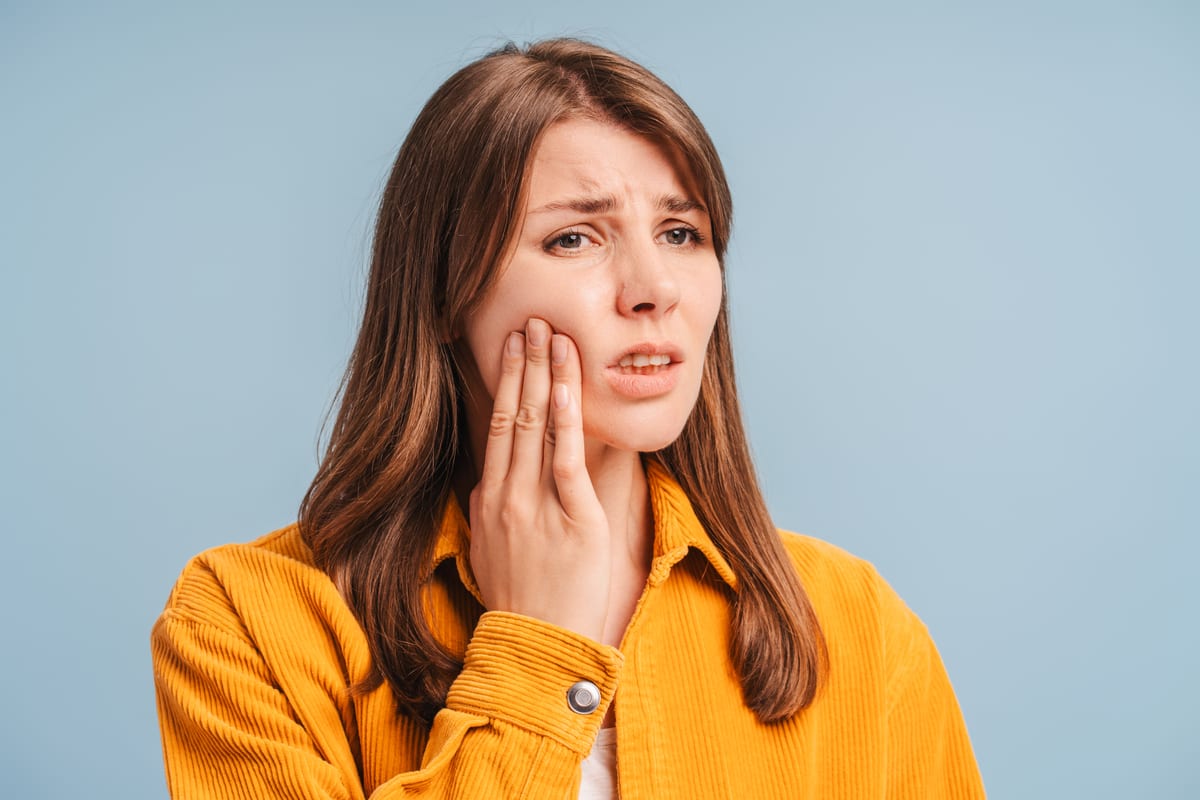
Sometimes a chipped tooth is more than a cosmetic issue—it can expose the inner layers of the tooth, causing sensitivity, pain, or even infection. Here are signs you need to call an emergency dentist:
- Sharp pain when eating or drinking.
- Visible cracks or chips that go below the gumline.
- Bleeding around the tooth or gum.
- Increased sensitivity to hot or cold.
- A chipped tooth that interferes with your bite.
An emergency dentist in Grand Blanc can evaluate the damage and provide quick solutions like bonding, veneers, or crowns to protect your tooth from further harm.
What You Can Do Right Now
Start by protecting your enamel with better nutrition and smart dental habits:
- Eat a calcium- and vitamin-rich diet (think leafy greens, dairy, fatty fish).
- Use fluoride toothpaste to reinforce enamel strength.
- Limit acidic foods and sugary snacks.
- Wear a night guard if you grind your teeth.
- Schedule regular dental checkups—prevention is key!
Strong Teeth Start With You!
If your teeth are chipping for no clear reason, it might be time to look at what’s going on inside your body—not just your mouth. Nutrient deficiencies can silently wear away at your enamel until one day, you’re left with a cracked smile. Don’t let it get that far.
And remember, if you’ve already experienced a chip or crack, seeing our emergency dentist can prevent the situation from worsening. With the right care and a few lifestyle changes, your teeth can stay strong, healthy, and chip-free for years to come.
Recent Post

September 14, 2026
Root Canal vs Extraction: Which Option Saves You More Money Long-Term
September 7, 2026
Tooth Extraction Pain at 2 AM: Your Real Options This Weekend

August 24, 2026
Your Cosmetic Dentistry Results: How Long They Actually Last

August 17, 2026
Why Your Toothbrush Can’t Remove Hardened Tartar Buildup
August 10, 2026
Does a Root Canal Really Hurt? What Modern Anesthesia Actually Does
Categories
Dental Emergency (12)