Currently, we are not accepting Medicaid, HMO or State Insurances


Why Your Teeth Hurt During Cleaning (And How We Stop It)

September 21, 2026
Dental Health
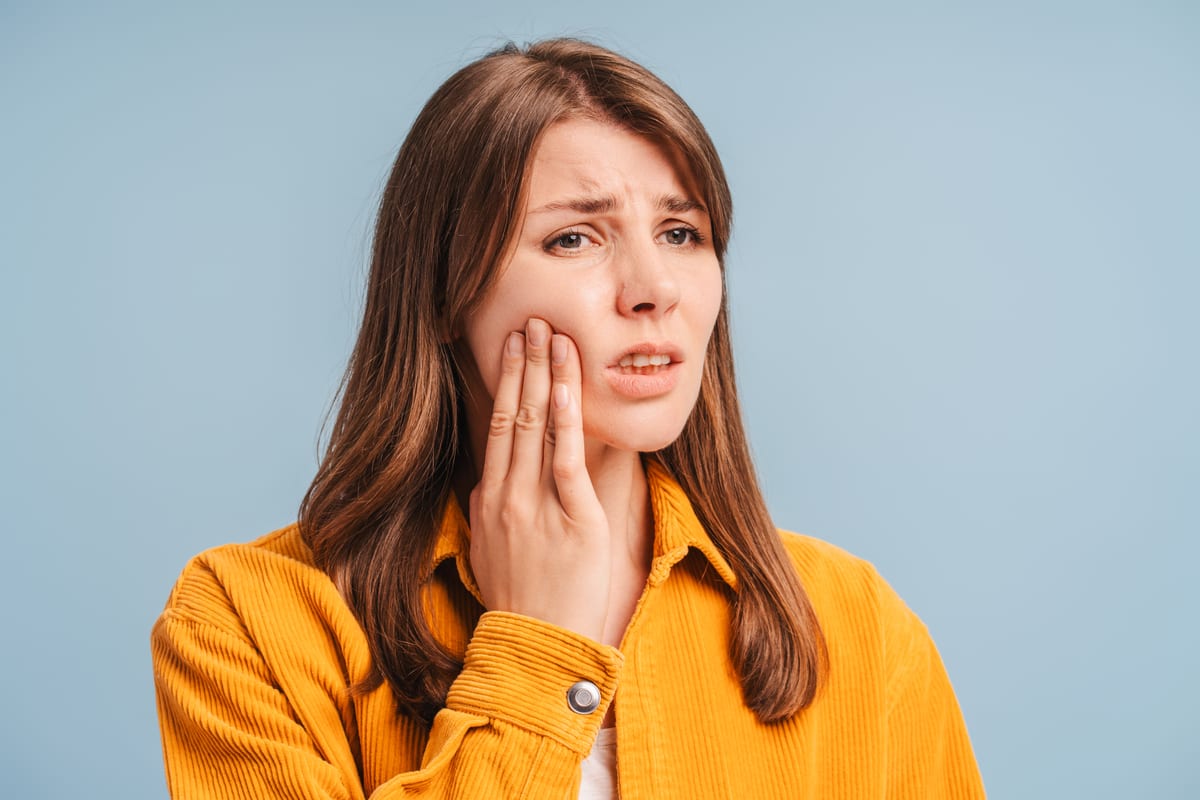
If you dread the dentist because of tooth sensitivity during cleanings, you are not alone. Many patients in Grand Blanc ask us the same thing: why do my teeth hurt during cleaning? Understanding why your teeth hurt during cleaning — and how we stop it — helps ease anxiety before your visit. At Drs Burau Cosmetic and Family Dentistry, Dr. Alex Burau and our hygiene team work hard to keep every cleaning as comfortable as possible.
What Causes Sensitivity During a Dental Cleaning?
Tooth sensitivity during a cleaning usually has a clear cause. The most common reason is gum recession, which exposes the sensitive root surface beneath your enamel. When the hygienist’s instruments touch that exposed area, you feel a sharp or achy sensation.
Tartar buildup is another major factor. Hardened tartar sits along and below the gumline. Removing it requires more pressure, which can trigger discomfort in sensitive tissue.
Other common causes include:
- Enamel erosion from acidic foods or drinks
- Gum inflammation caused by early gum disease
- Cavities or cracked teeth near the gumline
- Recent tooth whitening treatments
- Naturally thin enamel
Knowing the root cause helps our team adjust their approach for you personally. No two patients are exactly alike, and we treat you that way.
Why Your Teeth Hurt During Cleaning in Grand Blanc — And What Gum Health Has to Do With It
Healthy gums rarely bleed or ache during a cleaning. But inflamed or infected gum tissue is much more reactive. Even light instrument contact on irritated gums can produce real discomfort.
Gingivitis — the earliest stage of gum disease — causes gums to become swollen and tender. Patients with gingivitis often feel surprised by how sensitive their mouths are during a routine cleaning. The good news is that consistent cleanings actually reduce this sensitivity over time by restoring gum health.
If your gums have pulled away from your teeth, more of the root is exposed. Roots do not have the same enamel protection as your crown. Instruments touching this surface can trigger a strong nerve response quickly.
Addressing gum health is a core part of what we do during every visit. Dr. Alex Burau and our hygienists monitor your gum measurements at each appointment to catch changes early.
How Our Hygienists Minimize Your Discomfort
Our team at Drs Burau Cosmetic and Family Dentistry uses several proven strategies to reduce sensitivity during cleanings. We start by listening to you. If you mention sensitivity before we begin, we adjust our technique immediately.
Here is what our hygienists do to keep you comfortable:
- Apply a topical numbing gel to sensitive areas before scaling
- Use gentle, slow instrument strokes around the gumline
- Offer breaks whenever you need them — just raise your hand
- Use an ultrasonic scaler with water cooling to reduce friction
- Work in smaller sections on highly sensitive patients
- Recommend desensitizing toothpaste before your appointment if needed
We never rush through a cleaning to save time. Your comfort directly affects how often you return for care, and regular care is what protects your long-term oral health.
When Sensitivity Points to Something More Serious
Sometimes tooth pain during a cleaning signals an underlying problem that needs attention. A cracked tooth, deep decay, or an abscess can all make a cleaning feel unusually painful. Our hygienists are trained to recognize these warning signs.
If you have sharp pain in one specific tooth during your cleaning, Dr. Burau may recommend an X-ray or exam. In some cases, a tooth may need a Root Canals Treatment Grand Blanc to address infection deep inside the pulp. Root canal therapy relieves the source of pain rather than masking it.
Cosmetic concerns sometimes overlap with sensitivity too. Worn enamel or old restorations can make teeth more reactive. Our Cosmetic Dentistry Grand Blanc services can restore protective coverage while improving the appearance of your smile at the same time.
The key takeaway: do not ignore pain during a cleaning. It is your body telling you something needs attention. Let us find out what that is.
Tips to Reduce Sensitivity Before and After Your Cleaning
There are practical steps you can take at home to reduce how much your teeth hurt during cleaning visits. Starting these habits a few weeks before your appointment can make a real difference.
Before your cleaning, try these steps:
- Switch to a sensitivity-formula toothpaste at least two weeks ahead
- Brush gently with a soft-bristled toothbrush twice daily
- Floss daily to reduce gum inflammation before your visit
- Avoid highly acidic foods the day before your appointment
After your cleaning, your teeth may feel more sensitive for 24 to 48 hours. This is completely normal. Avoid very hot or cold foods during that window and rinse with warm salt water to soothe gum tissue.
If sensitivity lasts longer than a few days after your cleaning, call our office. Prolonged sensitivity sometimes indicates an issue that needs follow-up care.
Why Regular Cleanings Actually Reduce Long-Term Sensitivity
It may seem counterintuitive, but skipping cleanings makes sensitivity worse over time. Tartar and plaque buildup increase gum inflammation. More inflammation means more sensitivity at your next appointment.
Patients who come in every six months consistently report less discomfort over time. Their gums become healthier, tartar builds up less, and cleanings become quicker and more comfortable. Regularity is truly the best long-term solution.
Dr. Alex Burau recommends professional cleanings every six months for most patients. Some patients with active gum disease benefit from more frequent visits — every three to four months — until gum health stabilizes.
Investing in consistent preventive care now saves you from more complex and costly treatment later. That is a message we believe in strongly at our Grand Blanc practice.
Come See Us in Grand Blanc — We Make Cleanings Comfortable
You deserve a cleaning experience that does not leave you white-knuckling the armrests. Our team at Drs Burau Cosmetic and Family Dentistry is committed to making every appointment as comfortable as possible. We welcome anxious patients and take extra time when needed. Book Now to schedule your appointment with our team.
Frequently Asked Questions
Is it normal for my teeth to hurt during a dental cleaning?
Yes, some sensitivity during a cleaning is common, especially if you have gum recession, enamel erosion, or tartar buildup. It does not always mean something is wrong. Our hygienists adjust their technique to keep you as comfortable as possible throughout the appointment.
How can I make my dental cleaning less painful?
Using a desensitizing toothpaste for two to four weeks before your appointment helps significantly. Consistent flossing reduces gum inflammation, which also lowers sensitivity. Let our hygienist know about your sensitivity before they begin so they can use a gentler approach from the start.
Why do my gums bleed when the hygienist cleans them?
Bleeding gums usually signal inflammation caused by plaque or tartar buildup along the gumline. This is a sign of early gum disease called gingivitis. With regular cleanings and improved home care, most patients see their gums stop bleeding within a few weeks.
Should I take pain relief before a dental cleaning?
Over-the-counter pain relievers like ibuprofen can help reduce discomfort if you know you are sensitive. Take them about an hour before your appointment if your doctor approves. Always let our team know what you have taken before your visit so we can note it appropriately.
How often should I get a dental cleaning to reduce sensitivity over time?
Most patients benefit from a professional cleaning every six months. If you have active gum disease or significant tartar buildup, Dr. Burau may recommend visits every three to four months. More frequent cleanings reduce inflammation and make each appointment progressively more comfortable.
Recent Post
September 21, 2026
Why Your Teeth Hurt During Cleaning (And How We Stop It)

September 14, 2026
Root Canal vs Extraction: Which Option Saves You More Money Long-Term
September 7, 2026
Tooth Extraction Pain at 2 AM: Your Real Options This Weekend

August 24, 2026
Your Cosmetic Dentistry Results: How Long They Actually Last

August 17, 2026
Why Your Toothbrush Can’t Remove Hardened Tartar Buildup
Categories
Dental Health (36)