Currently, we are not accepting Medicaid, HMO or State Insurances


How To Stop Throbbing Pain After A Root Canal?
April 30, 2025
Root Canal Treatment
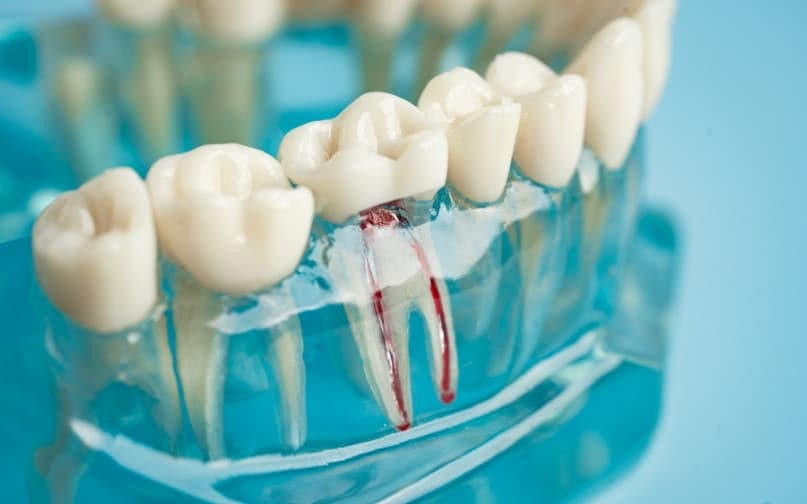
Had a root canal yesterday and now throbbing in pain? Don’t panic, you’re not the only one. Discomfort after root canal treatment is normal, but if it turns into a throbbing pain, you should be concerned.
In this blog post, we’ll explain what causes this throbbing pain after a root canal, how to find relief, and when it’s time to call your dentist. Whether you’re recovering or thinking about getting a root canal, this blog has all your answers.
What Causes Throbbing Pain After a Root Canal?
Even though the infected nerve is removed with a root canal treatment in Grand Blanc, healing still takes time. Throbbing pain may come from:
- Inflamed tissues around the tooth, responding to treatment.
- Micro-trauma from dental tools, especially near the root tip.
- Bite imbalance, putting excess pressure on the treated tooth.
- Residual infection, which can cause lingering or pulsing pain.
If you’re dealing with throbbing pain one week after a root canal, healing may be slow, or something might need further attention.
How to Treat Root Canal Pain at Home?
Home care can ease most post-procedure soreness. Try these simple steps:
- Use over-the-counter pain relievers, like ibuprofen or acetaminophen.
- Apply a cold compress to the outside of the cheek for 15-minute intervals.
- Do not chew on the involved side to keep pressure down.
- Rest with your head raised to decrease blood flow pressure to the site.
- Go on a soft diet and avoid extreme temperatures (hot or cold).
These can provide rapid and effective relief, enabling you to make it through the first few days with ease.
When Is the Root Canal Pain Not Normal?
If your symptoms are more than mild pain, take note of the warning signs:
- Increasing, not decreasing, pain after 3–5 days.
- Swelling, pus, or bad taste in the mouth.
- Fever or flu-like symptoms.
- Severe throbbing pain 1 week after root canal with no relief.
These could be signs of an infection, a cracked tooth, or a bite adjustment. In those cases, contact your dentist immediately.
Preventing Further Root Canal Pain in the Future
When your pain has gone away, prevention is key to making sure future complications don’t happen. Here’s what you do:
- Heed your dentist’s aftercare instructions carefully.
- Don’t neglect follow-up appointments, especially if a crown needs to be placed.
- Brush and floss gently, keeping the area clean as it heals.
- Get a permanent crown placed if advised—this prevents tooth fracture.
- If you grind and clench your teeth, use a night guard.
With these steps, you can reduce the risk of complications and prolong the lifespan of your root canal.
Mild pain is part of the healing process, but if you’re facing severe or unbearable pain after a root canal, don’t wait it out. Early care and attention can prevent complications and lead to a faster recovery.
If you are attempting to ease root canal pain at home, start with the following steps—but if the pain doesn’t disappear quickly, professional care and consultation are the best way out.
Recent Post

October 19, 2026
Your Teeth Cleaning Just Ended—Here’s What Happens Next
October 12, 2026
Root Canal Recovery: What to Eat, When Pain Stops, Red Flags

October 5, 2026
Why Your Dental Abscess Might Be a Medical Emergency

September 28, 2026
Your Smile Makeover Journey: What Happens at Every Appointment

September 21, 2026
Why Your Teeth Hurt During Cleaning (And How We Stop It)
Categories
Root Canal Treatment (8)