Currently, we are not accepting Medicaid, HMO or State Insurances
How Do You Take Care of Your Teeth as You Age?

October 1, 2024
Dentist
Aging brings unique challenges to oral care that require attention and understanding. Maintaining oral health is crucial for overall well-being and can significantly impact one’s quality of life. Many people experience common issues such as gum disease, tooth decay, and sensitivity as they age.
This blog provides valuable insights on how to care for your teeth during this time effectively. You will learn about the changes in oral health, the importance of regular dental check-ups, and practical tips for daily care. Additionally, dietary considerations and dental products that promote health will be discussed. Embrace the journey of aging while keeping your smile healthy and bright!
Understanding the Changes in Oral Health with Age
Aging often leads to common dental issues, including gum disease, tooth decay, and sensitivity. Our bodies undergo physiological changes as we age that can impact our oral health.
One significant change is decreased saliva production. Saliva helps wash away food particles and neutralizes acids. Reduced saliva can lead to a dry mouth, making teeth more vulnerable to decay.
Additionally, enamel wear is another concern. Enamel protects our teeth, and its gradual loss can increase sensitivity. Older adults may also experience gum recession, exposing tooth roots and leading to discomfort.
Other conditions, such as dental cavities, may become more prevalent as older adults consume less nutritious diets. Understanding these changes is crucial to adopting appropriate care strategies to maintain dental health as you age.
Importance of Regular Dental Check-Ups
Routine dental visits are essential as we age. Regular check-ups allow your dentist to monitor your oral health effectively. They can identify potential issues before they become serious problems. Dentists can provide early interventions that help prevent costly and complex treatments later.
During these visits, expect a thorough examination of your teeth and gums. Your dentist will assess for signs of gum disease, cavities, or other concerns. They may also perform necessary cleanings to remove plaque buildup. These visits can also be an opportunity to discuss any changes in your oral health.
Additionally, your dentist can provide personalized advice tailored to your specific needs. For example, if you have a dry mouth, they may recommend specific products to alleviate the symptoms.
Finding a reliable dentist Grand Blanc can make a significant difference in maintaining your oral health as you age. Prioritize these visits to enjoy a healthier smile throughout your golden years.
Daily Oral Care Routine
A solid daily oral care routine can significantly improve your dental health.
Brushing Techniques: Use a soft-bristled toothbrush or an electric one. Soft bristles effectively clean without damaging gums. Aim to brush your teeth twice a day for two minutes each time. Hold the toothbrush at a 45-degree angle and use gentle circular motions. This technique helps remove plaque effectively.
Flossing: Flossing is essential for maintaining oral hygiene. It removes food particles and plaque between teeth, where brushes cannot reach. Aim to floss at least once daily. Use a gentle back-and-forth motion, ensuring you go beneath the gum line without snapping the floss.
Mouthwash: Consider using mouthwash, especially if you suffer from dry mouth. Mouthwash can help wash away bacteria and freshen your breath. Look for alcohol-free options that hydrate and soothe your oral tissues. If you have gum issues, specific therapeutic mouthwashes can reduce inflammation and promote healing.
Establishing a routine that includes these practices can help you maintain a healthier mouth as you age. This proactive approach will help prevent common dental problems and ensure your teeth and gums stay in excellent condition.
Dietary Considerations for Healthy Teeth
Your diet plays a crucial role in your dental health.
Foods that promote dental health: Focus on calcium-rich foods like dairy products, leafy greens, and almonds. These foods strengthen your teeth and bones. Incorporate crunchy fruits and vegetables, like apples and carrots, which help clean your teeth as you chew. They also stimulate saliva production, further protecting your mouth.
Foods to limit or avoid: Reduce your intake of sugary snacks and acidic drinks. Sugars feed harmful bacteria in your mouth, leading to cavities. Acidic foods can erode enamel, making your teeth more vulnerable to decay.
The importance of hydration: Staying hydrated is vital for maintaining saliva production. Drink plenty of water throughout the day. If you experience dry mouth, use saliva substitutes or sugar-free gum to stimulate saliva flow. By focusing on a balanced diet, you can improve your dental health as you age and enjoy a vibrant, healthy smile.
Managing Specific Dental Conditions
As you age, you may encounter specific dental conditions that require attention.
Gum Disease: Gum disease is a common issue among older adults. Early signs include swollen gums, bleeding during brushing, and bad breath. Regular dental visits and good oral hygiene can prevent gum disease. If you experience symptoms, seek treatment promptly. Your dentist may recommend deep cleaning or antibiotics to address the issue.
Tooth Sensitivity: Many people experience tooth sensitivity as they age. This sensitivity often results from enamel wear or gum recession. To manage sensitivity, consider using desensitizing toothpaste. Avoid extremely hot or cold foods, as they may trigger discomfort. If sensitivity persists, consult your dentist for tailored solutions.
Dry Mouth: Dry mouth can lead to several dental problems, including an increased risk of decay. To manage this condition, drink plenty of water and use a humidifier at night. Chewing sugar-free gum can also stimulate saliva production. If you continue to experience dry mouth, speak to your dentist about possible treatments.
Dental Products for Aging Teeth
Selecting the right dental products can significantly enhance your oral health as you age.
Toothpaste: Choose fluoride toothpaste to strengthen enamel and prevent cavities. For those with sensitive teeth, consider specialized toothpaste designed to reduce discomfort.
Mouthwash: Use an alcohol-free mouthwash to avoid drying out your mouth. Some mouthwashes contain fluoride for additional protection against decay.
Other dental aids: Interdental brushes or water flossers can help clean hard-to-reach areas. These products are especially helpful for individuals with braces or implants.
Fluoride and remineralizing agents are crucial in fighting decay. They help restore essential minerals to the enamel, making it more resilient. Regularly using these products can significantly improve your dental health and keep your teeth strong as you age.
Tips for Maintaining Dental Aesthetics
Maintaining your smile’s aesthetics is important as you age.
Teeth Whitening Options: If you notice discoloration, consider teeth whitening treatments. Over-the-counter whitening strips can provide noticeable results. For more significant changes, professional whitening at your dentist’s office offers effective options.
Cosmetic Dentistry: Cosmetic dentistry can restore your smile if you have chipped or cracked teeth. Options like veneers or bonding can improve the appearance of your teeth.
Importance of natural teeth: Maintaining the appearance of your natural teeth is crucial. Regular brushing, flossing, and dental visits can help brighten your smile. Avoiding staining foods and beverages, like coffee and red wine, can also contribute to a more youthful appearance.
You can enjoy a confident smile throughout your golden years by focusing on health and aesthetics.
In conclusion, taking care of your teeth as you age is essential for your overall health. Regular dental visits, a solid oral care routine, and a balanced diet can make a significant difference. Managing common dental conditions and using the right products will further support oral health. Prioritize your dental care and seek professional advice as needed. Your smile deserves the best care possible.
Recent Post

September 21, 2026
Why Your Teeth Hurt During Cleaning (And How We Stop It)

September 14, 2026
Root Canal vs Extraction: Which Option Saves You More Money Long-Term
September 7, 2026
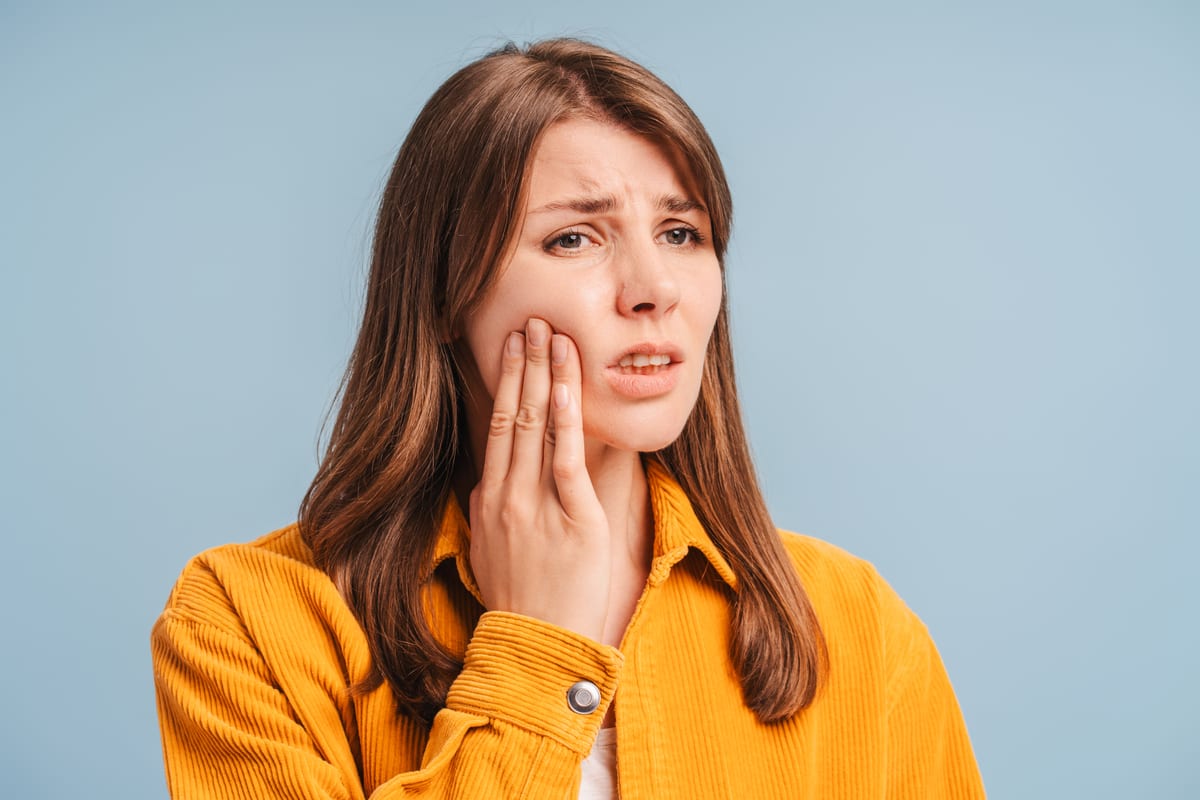
Tooth Extraction Pain at 2 AM: Your Real Options This Weekend
August 24, 2026
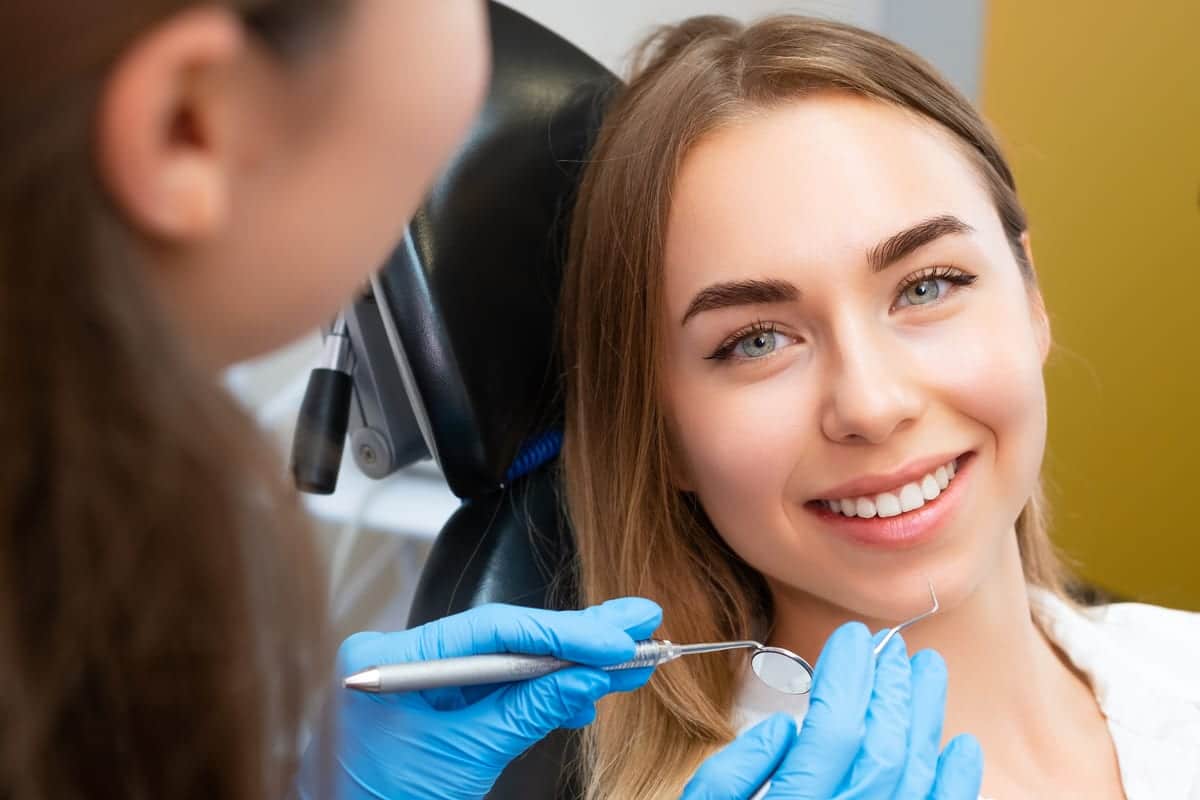
Your Cosmetic Dentistry Results: How Long They Actually Last

August 17, 2026
Why Your Toothbrush Can’t Remove Hardened Tartar Buildup
Categories
Dentist (9)