Currently, we are not accepting Medicaid, HMO or State Insurances


Sports Dental Emergencies: A Complete Guide for Athletes
July 23, 2024
Dental Emergency
Types of Sports Dental Emergencies
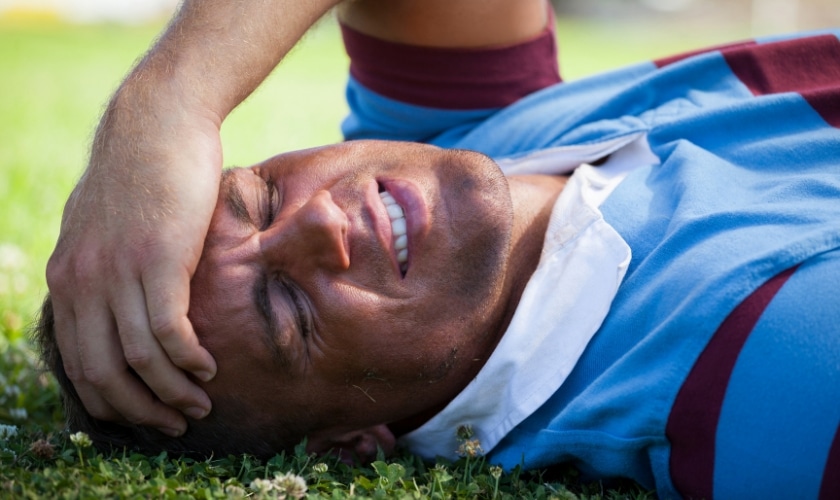
Athletes are rockstars on the field, but even rockstars can face unexpected challenges. During high-impact activities, teeth are vulnerable to injuries. Recognizing the different types of sports dental emergencies is crucial for taking the right steps towards a speedy recovery. Here’s a breakdown of the most common ones:
Chipped or Fractured Tooth
A chipped or fractured tooth occurs when a piece of the tooth breaks off due to impact. The severity can range from a tiny chip on the enamel (outer layer) to a deeper crack involving the dentin (inner layer).
- Symptoms: Pain (may vary depending on severity), sensitivity to hot or cold, visible chipped or cracked tooth.
- First-Aid Steps: Rinse your mouth with warm water. If possible, locate the chipped piece and store it in milk or saliva. Apply a cold compress to the outside of your cheek to reduce swelling.
- Treatment Options: Depending on the extent of the damage, treatment options may include dental bonding (for minor chips), reshaping the tooth with a filling, or placing a crown.
- Recovery Time: Varies depending on the severity. Minor chips might only require a single appointment, while more complex fractures could involve multiple visits.
Knocked-Out Tooth
This is a serious dental emergency that requires immediate action. A knocked-out tooth can potentially be saved if you act quickly and follow the proper steps.
- Critical First 30 Minutes: Time is of the essence! The sooner you act, the greater the chance of successfully reimplanting the tooth.
- Preserving the Tooth: Locate the tooth and handle it by the crown (the white part you see). Do not touch the root. Gently rinse the tooth with milk (if available) or saliva. Do not scrub or remove any attached tissue fragments.
- Reimplantation Procedure: Ideally, try to carefully reinsert the tooth back into its socket. If this is not possible, store the tooth in milk or tucked under your tongue and keep it moist until you can see a dentist.
- Alternatives if Reimplantation Fails: If reimplantation is not feasible, the dentist will explore other options like placing a bridge or dental implant to restore the missing tooth.
Cracked Tooth
A cracked tooth can occur due to various reasons, including impact, clenching, or chewing on hard objects. Unlike a chipped tooth, a crack can extend deeper into the tooth, affecting the pulp (innermost layer) and causing significant pain.
- Identifying a Cracked Tooth: Pain when biting down, sharp pain that comes and goes, increased sensitivity to hot or cold, visible crack on the tooth surface.
- Treatment Options Depending on Severity: Treatment depends on the location and severity of the crack. Minor cracks might be managed with dental bonding or a filling. In severe cases, a root canal or even extraction followed by a dental implant or bridge placement might be necessary.
- Potential Complications: Left untreated, a cracked tooth can lead to infection, pulp damage, and eventually tooth loss.
Toothache or Discomfort
Not all dental pain during sports requires a dramatic emergency response. Sometimes, minor discomfort or a dull toothache can arise due to various reasons.
- Differentiating Between Serious and Minor Pain: A sharp, throbbing pain that worsens with biting or persists for several days is a cause for concern. Dull aches or minor sensitivity might be temporary and manageable with home care.
- Home Remedies for Soothing Pain: Rinse your mouth with warm salt water. Apply a cold compress to your cheek to reduce swelling. Over-the-counter pain relievers like ibuprofen or acetaminophen can offer temporary relief.
- When to See a Dentist Immediately: If the pain is severe, throbbing, or accompanied by swelling, fever, or difficulty breathing, seek immediate professional help. This could indicate a serious infection or dental trauma.
Soft Tissue Injuries
During sports, facial injuries are also common. Here’s how to handle soft tissue injuries in the mouth:
- Injuries to Lips, Tongue, or Cheeks: Cuts, tears, or punctures can occur due to falls, collisions, or flying objects.
- How to Manage Bleeding and Swelling: Apply gentle pressure with a clean cloth to control bleeding. For swelling, use a cold compress on the outside of your face.
- When to Seek Professional Help: If the bleeding is severe and uncontrollable, or if the wound is gaping or deep, seek immediate medical attention. Sutures might be needed to close the wound and promote proper healing.
Immediate First-Aid for Dental Emergencies
Dental emergencies can be stressful, but acting quickly and calmly can significantly improve the outcome. This section provides a guide to immediate first-aid measures for various dental emergencies until you can see a dentist.
The Importance of Acting Quickly
Time is critical in many dental emergencies. Taking prompt action can minimize damage, improve treatment options, and even save teeth. Delaying professional care can worsen the situation and lead to complications.
Staying Calm and Assessing the Situation
While experiencing a dental emergency can be frightening, staying calm is essential. Take a moment to assess the situation. Identify the injured area, the nature of the problem (bleeding, pain, swelling), and any loose teeth or fragments.
Specific First-Aid Actions for Different Injuries
The appropriate first-aid response varies depending on the type of dental emergency. Here’s a breakdown for common situations:
- Chipped/Fractured Tooth: Rinse your mouth with warm salt water. Apply a cold compress to your cheek to reduce swelling. Save any broken tooth fragments and see a dentist promptly.
- Knocked-Out Tooth: Locate the tooth and handle it by the crown (the white part). Rinse it gently with water if dirty, but avoid scrubbing. If possible, carefully reinsert the tooth back into its socket. If that’s not possible, store the tooth in milk, saliva, or a tooth preservation solution. Rush to the dentist or emergency room immediately. Time is critical for successful reimplantation.
- Cracked Tooth: Rinse your mouth with warm water and apply a cold compress to your cheek to reduce swelling. Avoid chewing on the affected side. See a dentist as soon as possible for evaluation.
- Toothache or Discomfort: Rinse your mouth with warm salt water to remove irritants. You can gently floss the area to dislodge any stuck food particles. Over-the-counter pain relievers like ibuprofen can offer temporary relief. However, avoid placing medication directly on the gums, as this can irritate them. See a dentist to determine the cause of the pain.
- Soft Tissue Injuries (e.g., cut lip or tongue): Apply gentle pressure with a clean cloth or gauze pad to control any bleeding. Rinse your mouth with cool salt water. For lip injuries, apply a cold compress to reduce swelling. See a dentist if the bleeding is excessive or you cannot control it.
When to Rush to the Emergency Room
In some cases, a dental emergency requires immediate attention at the emergency room. Seek emergency care if you experience:
- Uncontrolled bleeding
- Difficulty breathing
- Signs of infection, including fever and swelling
- Severe pain that doesn’t respond to over-the-counter medication
- Possible jaw fracture (due to trauma)
Remember, this is just a guide for immediate first aid. For any dental emergency, always seek professional care from a dentist as soon as possible.
Preventing Sports Dental Emergencies
A little preparation goes a long way in safeguarding your smile during sports. Here are key strategies to prevent dental emergencies before they happen:
Wearing a Mouthguard
A mouthguard is your best defense against sports-related dental injuries. It acts as a shock absorber, distributing the impact of a blow away from your teeth and jaw.
Different Types of Mouthguards:
- Stock Mouthguards: These are readily available at sporting goods stores and offer some protection. However, they may not fit well and can be bulky and uncomfortable.
- Boil-and-Bite Mouthguards: These can be customized to a certain extent by heating them in water and then molding them to your teeth. They offer a better fit than stock mouthguards.
- Custom-Fitted Mouthguards: These are created by a dentist for the most optimal fit and comfort. They provide the best protection and allow for easier speaking and breathing.
Proper Fitting and Care of Mouthguards:
- Ensure your mouthguard fits snugly but comfortably. It shouldn’t impede your breathing or speaking.
- Follow the manufacturer’s instructions for cleaning and storing your mouthguard. Typically, you’ll rinse it with clean water after each use and store it in a ventilated container.
Maintaining Good Oral Hygiene
A healthy mouth is a resilient mouth. Here’s how your oral hygiene routine can contribute to dental safety in sports:
Brushing and Flossing Routines for Athletes:
- Brush your teeth twice a day for two minutes each time, using a fluoride toothpaste.
- Floss daily to remove plaque and debris from between your teeth.
- Consider using a mouthwash for additional cleaning and freshening breath.
Importance of Regular Dental Checkups:
- Schedule regular dental checkups and cleanings with your dentist. This allows for early detection and treatment of any potential dental problems that could increase your risk of injury.
- Your dentist can also advise you on the best type of mouthguard for your specific needs and ensure a proper fit for a custom-made one.
Avoiding Risky Behaviors
Smart habits can significantly reduce your chances of dental emergencies:
- Using Teeth for Non-Sports Activities: Avoid using your teeth for anything other than eating. This includes chewing on pencils, fingernails, or sports equipment. These actions can chip or crack teeth.
- Being Mindful During Contact Sports: Always be aware of your surroundings and maintain good sportsmanship during contact sports. Unnecessary roughness increases the risk of facial injuries.
Long-Term Dental Care After a Sports Injury
Even after receiving initial treatment for a sports-related dental injury, ongoing care is crucial for optimal healing and long-term dental health. Here’s what to expect:
Follow-Up Appointments with Dentist
Regular follow-up appointments with your dentist are essential after a dental injury. These visits allow your dentist to:
- Monitor Healing Progress: Your dentist will monitor the healing process of your injured tooth or jaw. This may involve X-rays or other diagnostic tools to assess progress and ensure proper healing.
- Address Potential Complications: Dental injuries can sometimes lead to complications down the line, such as infection, root death, or nerve damage. Regular checkups allow for early detection and treatment of these issues, preventing further complications.
Restoring Damaged Teeth
Depending on the severity of your injury, some form of dental restoration may be necessary to restore function and aesthetics. Here are some common options:
- Crowns: Crowns are caps placed over a damaged tooth to restore its strength, shape, and size. They can be made from various materials like porcelain or metal fused with porcelain.
- Veneers: Veneers are thin shells of porcelain bonded to the front surface of a tooth to improve its appearance. They are a good option for chipped, cracked, or discolored teeth.
- Implants: In cases of severe tooth loss due to trauma, dental implants may be an option. Implants are surgically placed artificial tooth roots that support a dental crown, offering a long-lasting and natural-looking replacement for lost teeth.
Maintaining Restored Teeth
Regardless of the restoration method used, proper care is essential to ensure its longevity and prevent future problems. Here’s how to maintain your restored teeth:
- Maintain Excellent Oral Hygiene: Brushing twice a day, flossing daily, and using mouthwash as recommended by your dentist are crucial for preventing decay and gum disease around the restored tooth.
- Schedule Regular Dental Checkups: Continue with your regular dental checkups and cleanings to ensure the health of your restored tooth and surrounding teeth.
- Avoid Damaging Habits: Avoid habits that could damage your restored teeth, such as chewing on hard objects or using your teeth for anything other than eating.
By following your dentist’s recommendations and maintaining good oral hygiene, you can ensure the long-term success of your dental restorations and enjoy a healthy smile for years to come.
Final Words
Winning plays come with risks, but dental emergencies don’t have to be a part of the game. By understanding preventive measures, immediate first-aid steps, and proper recovery care, athletes can ensure a healthy smile throughout their sports journey.
Frequently Asked Questions
What should I do if my child loses a baby tooth during sports?
Losing a baby tooth due to sports injury is usually not a cause for major concern. However, you should still monitor the situation. Here’s what to do:
1. Gently calm and reassure your child.
2. If there’s bleeding, apply gentle pressure with a clean cloth or gauze pad to control it.
3. Locate any tooth fragments and bring them to the dentist if possible.
4. Schedule an appointment with your child’s dentist to check for any underlying damage or complications.
Are there different mouthguards for various sports?
Yes, there are different types of mouthguards designed for various sports with varying contact risks.
1. High-contact sports like football, hockey, and lacrosse often require a more robust, custom-fitted mouthguard for maximum protection.
2. Lower-contact sports like basketball or soccer might benefit from a boil-and-bite mouthguard or even a well-fitting store-bought option.
How much do dental emergencies typically cost?
The cost of dental emergencies can vary depending on the severity of the injury and the type of treatment required. Some dental insurance plans may offer coverage for sports-related dental injuries. Consult with your dentist to understand the treatment options and associated costs.
Recent Post

September 21, 2026
Why Your Teeth Hurt During Cleaning (And How We Stop It)

September 14, 2026
Root Canal vs Extraction: Which Option Saves You More Money Long-Term

September 7, 2026
Tooth Extraction Pain at 2 AM: Your Real Options This Weekend
August 24, 2026
Your Cosmetic Dentistry Results: How Long They Actually Last

August 17, 2026
Why Your Toothbrush Can’t Remove Hardened Tartar Buildup
Categories
Dental Emergency (12)