Currently, we are not accepting Medicaid, HMO or State Insurances


Nervous About Tooth Extraction? We Understand!

May 30, 2024
Tooth Extraction
The idea of having a tooth pulled can be nerve-wracking, even for the bravest among us. The good news is, you’re not alone! Many people feel anxious about tooth extractions. This blog post is here to shed light on the procedure, address common concerns, and offer tips to make the experience as comfortable and stress-free as possible.
Why Might You Need a Tooth Extraction?
Tooth extraction is a common dental procedure performed for various reasons. Here are some of the most common:
- Severe tooth decay: If a tooth is extensively decayed and cannot be restored with fillings or crowns, extraction might be necessary.
- Advanced gum disease: In severe cases of gum disease, the bone supporting the tooth weakens, making extraction necessary.
- Impacted teeth: Wisdom teeth that are unable to erupt properly can cause pain, crowding, and infection. Extraction is often the recommended course of action.
- Fractured teeth: Severely cracked or broken teeth that cannot be repaired may require extraction.
- Overcrowding: In some cases, tooth extraction might be necessary to create space for orthodontic treatment.
Understanding the Procedure
The type of extraction you need will depend on the condition of the tooth and its location. Here’s a general overview:
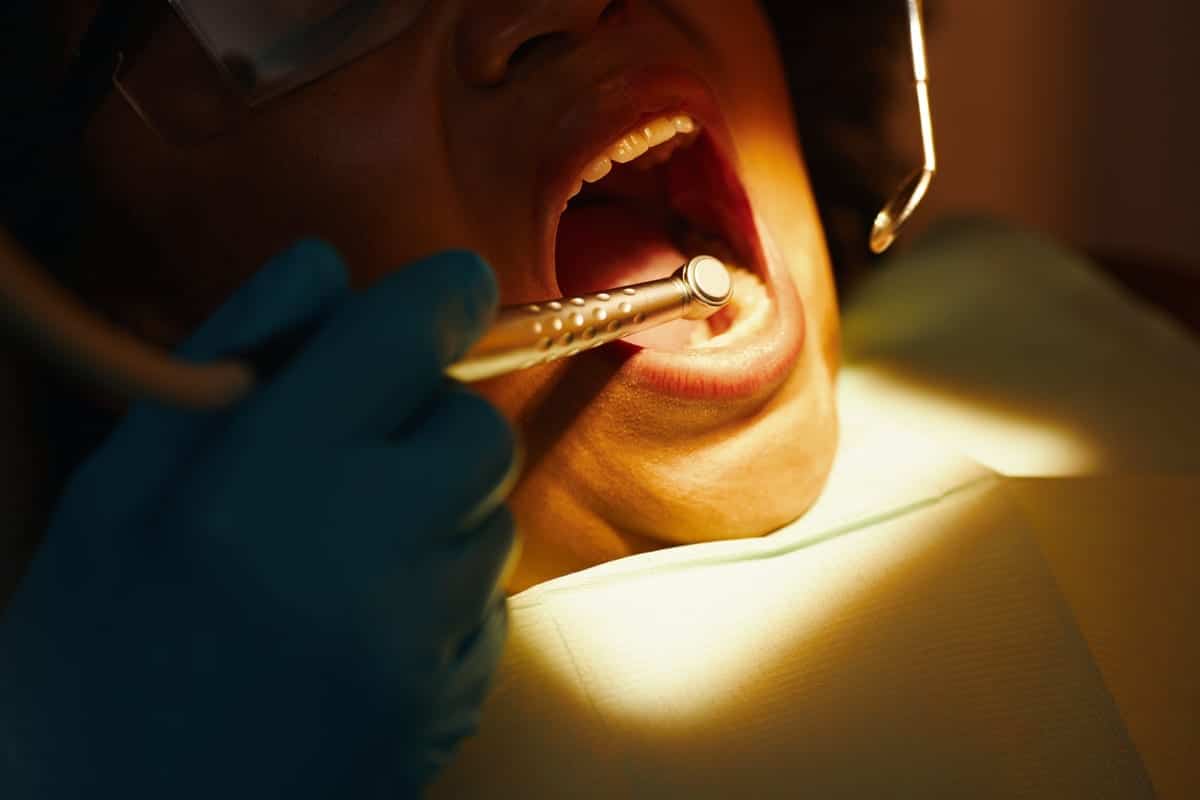
- Simple Extraction: For easily accessible teeth with minimal root involvement, a simple extraction is performed. The dentist numbs the area and loosens the tooth with forceps before gently removing it.
- Surgical Extraction: For impacted teeth, deeply rooted teeth, or complex cases, a surgical extraction might be required. This may involve making an incision in the gum tissue and removing bone to access the tooth.
Regardless of the complexity, modern dentistry prioritizes patient comfort. Local anesthesia is used to numb the area, and sedation options can be discussed to manage anxiety further.
What to Expect During and After the Procedure
During the procedure, you might feel some pressure or tugging as the dentist loosens the tooth. However, you shouldn’t experience any pain due to the anesthesia. After the extraction, you’ll receive specific instructions for caring for the extraction site to promote healing and prevent complications. These may include:
- Bleeding control: Apply gentle pressure with gauze to the extraction site for a designated period.
- Pain management: Over-the-counter pain medication can help manage any discomfort.
- Dietary restrictions: Opt for soft foods for the first few days to allow the extraction site to heal.
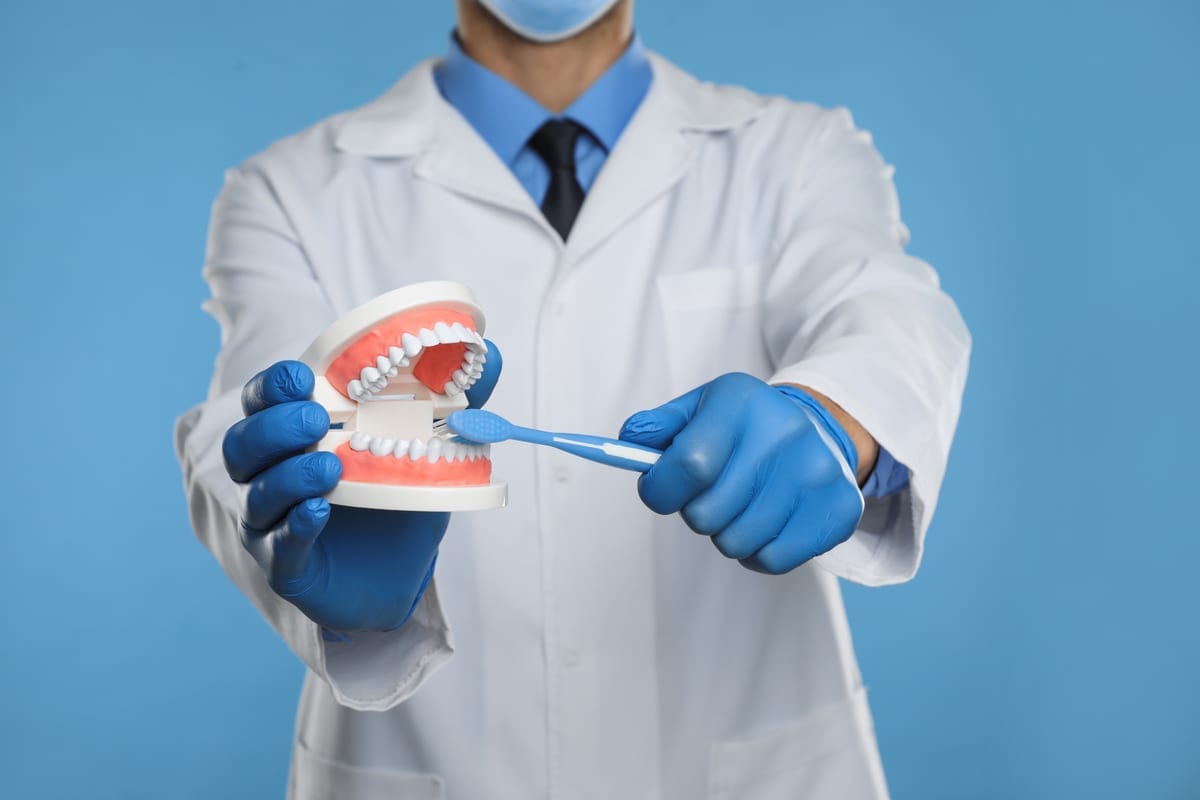
- Oral hygiene: Maintain gentle brushing and flossing, avoiding the extraction site.
The recovery process typically takes a few days to a week. Swelling and discomfort are normal but should gradually subside. If you experience any concerning symptoms like excessive bleeding, severe pain, or fever, contact your dentist immediately.
Tips to Calm Your Nerves
It’s perfectly normal to feel anxious about a tooth extraction. Here are some tips to help you manage your nerves:
- Communicate openly with your dentist: Discuss your anxieties and concerns beforehand. Your dentist will be happy to answer your questions and explain the procedure in detail.
- Ask about sedation options: Nitrous oxide (“laughing gas”) or oral sedation can help you feel more relaxed during the procedure.
- Listen to calming music: Distraction techniques like listening to music or focusing on deep breathing can help manage anxiety.
- Bring a support person: Having a friend or family member accompany you can provide emotional support and reassurance.
- Focus on the positive outcome: Remember, a tooth extraction can alleviate pain, improve oral health, and pave the way for a healthier smile.
Maintaining a Healthy Smile After Tooth Extraction
Tooth extraction, while sometimes necessary, can disrupt your oral care routine. Here are some additional tips to ensure a healthy smile after tooth extraction:
- Maintain good oral hygiene: Continue brushing and flossing your teeth regularly, but be gentle around the extraction site. Use a soft-bristled toothbrush and avoid vigorous rinsing for the first few days.
- Saltwater rinses: Warm saltwater rinses can help soothe the extraction site and promote healing. Mix a teaspoon of salt with warm water and gently rinse several times a day.
- Pain management: Over-the-counter pain relievers like ibuprofen or acetaminophen can help manage any discomfort after the procedure.
- Dietary modifications: Stick to soft foods like yogurt, applesauce, and mashed potatoes for the first few days. Gradually introduce harder foods as the extraction site heals.
- Avoid smoking and alcohol: Smoking and alcohol consumption can slow healing and increase the risk of infection. Avoid these substances for a few days after the extraction.
- Rest and relaxation: Allow your body time to heal. Get plenty of rest and avoid strenuous activity for the first 24-48 hours.
- Follow-up appointments: Schedule follow-up appointments with your dentist to monitor healing and discuss tooth replacement options, if necessary.
Considering Tooth Replacement
Depending on the location of the extracted tooth, your dentist might recommend replacing it to maintain optimal oral health. Here are some reasons why replacement might be necessary:
- Maintaining a healthy bite: Missing teeth can cause your remaining teeth to shift, leading to bite problems and difficulty chewing.
- Preserving jawbone health: The stimulation of chewing helps maintain jawbone health. Missing teeth can contribute to bone loss in the jaw.
- Improved speech: Missing teeth can sometimes affect your speech. Replacement options can help restore clear and proper pronunciation.
- Enhanced aesthetics: Missing teeth can impact your smile and confidence. Replacement options can restore a complete and aesthetically pleasing smile.
Tooth replacement options include dental implants, bridges, and dentures. Your dentist will discuss the best option based on your individual needs and preferences.
Tooth extraction might seem daunting, but with proper preparation, communication with your dentist, and a focus on recovery, you can navigate the process with confidence. By following post-operative instructions and considering tooth replacement options, you can ensure a healthy smile and optimal oral health for years to come. Remember, a healthy smile is a happy smile, and your dentist is there to guide you through every step of the way!
Recent Post

August 3, 2026
Broken Tooth Emergency: What to Do Before Your Appointment

July 27, 2026
Veneers vs Bonding vs Whitening in Grand Blanc, MI
July 20, 2026
Teeth Cleanings Every 3 Months in Grand Blanc, MI
July 13, 2026
Root Canal Treatment in Grand Blanc, MI

July 6, 2026
Emergency Tooth Pain Care in Grand Blanc, MI
Categories
Tooth Extraction (5)