Currently, we are not accepting Medicaid, HMO or State Insurances


Myths And Facts About Dental Implants
January 23, 2023
Dental Implants
Good oral health is vital for overall health and well-being, so having healthy and strong teeth is essential. A dental implant may be your solution if you miss a tooth or have severely damaged teeth. Dental implants can improve oral health, boost self-confidence, and give back your smile. When it comes to dental implants, there are a lot of myths and facts that need to be clarified. Here are some myths and facts about dental implants; we bet you didn’t know yet! Many people need to understand the importance of dental implants or how they work, so it’s essential to know all the facts before deciding if they suit you.
Signs That You Need A Dental Implant
If you’re missing a tooth due to decay or trauma, you may want to consider getting a dental implant. Other signs that you need a dental implant to include the following:
– Difficulty chewing, eating, or speaking
– Loose feeling teeth due to shifting of remaining teeth
– Pain when biting down on food
You must speak with a dentist immediately if you’re exhibiting any of these signs. They can assess your condition and determine if a dental implant is your best option.
Benefits Of Dental Implants
Dental implants can be a great way to restore your teeth and give you back your confidence. The benefits of dental implants include the following:
– Improved oral health, as they don’t require extra care as dentures or bridges do
– Increased self-confidence, as the dental implant looks and feels just like a natural tooth
– Long-lasting, as they can last for several years with proper care
– Reduced risk of gum disease or decay since the implant is not connected to other teeth
Myths About Dental Implants
Despite their many benefits, there are a few myths about dental implants. One myth is that they’re painful and uncomfortable. This isn’t true; getting a dental implant is relatively painless, and the procedure can be completed in one visit to the dentist. Another myth is that they’re expensive. Dental implants are cost-effective in the long run because they can last for many years.
Important Facts About Dental Implants: What They Didn’t Tell You
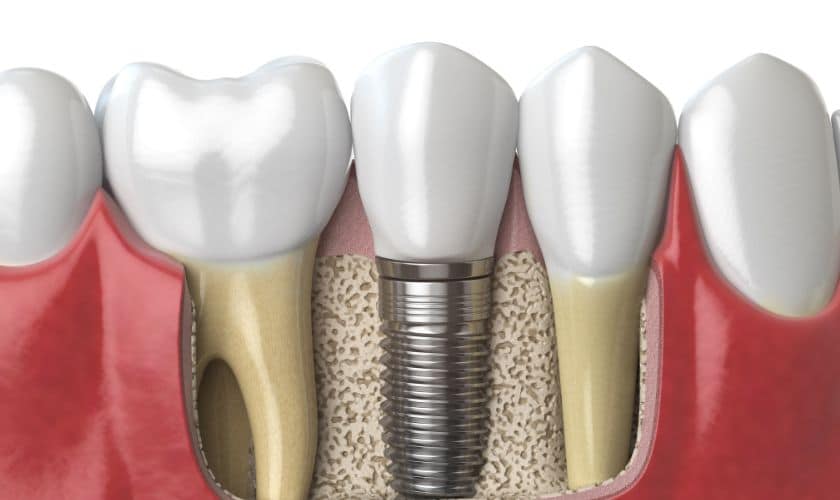
Before getting a dental implant, it’s essential to understand what is involved. The process typically includes an initial consultation with your dentist and surgery to insert the implant into your jaw. After the surgery, you may experience some swelling, tenderness, and discomfort that can be managed with pain medications. Additionally, the dental implant can take several months to integrate with your jawbone before it’s ready to have a crown attached.
Dental Implant Aftercare Tips
Proper aftercare is essential to ensure that your dental implant lasts many years. This includes brushing twice a day and flossing at least once a day. Additionally, you should schedule regular checkups with your dentist to ensure the implant is in good shape. Lastly, avoid using tobacco products as they can increase your risk of gum disease and decay.
Conclusion
Dental implants can be an excellent solution for restoring teeth and improving oral health. Dental implants can be a great way to restore your teeth and give you back your confidence. However, it’s essential to understand the signs you may need, the benefits they offer, any myths associated with them, and the facts about what is involved in the procedure. Understanding the signs you need, and the facts about what is involved in the procedure can help you make an informed decision. Before getting a dental implant, talk to your dentist about all available options.
FAQs
Q: How long do dental implants last?
A: Dental implants can last for over 10-15 years with proper care.
Q: Do I need a special toothbrush for my dental implant?
A: No, you can use a regular toothbrush to clean your dental implant.
Q: Can I smoke after getting a dental implant?
A: It’s best to avoid smoking after getting a dental implant, as it can increase your risk of gum disease and decay.
Recent Post

September 21, 2026
Why Your Teeth Hurt During Cleaning (And How We Stop It)

September 14, 2026
Root Canal vs Extraction: Which Option Saves You More Money Long-Term

September 7, 2026
Tooth Extraction Pain at 2 AM: Your Real Options This Weekend

August 24, 2026
Your Cosmetic Dentistry Results: How Long They Actually Last

August 17, 2026
Why Your Toothbrush Can’t Remove Hardened Tartar Buildup
Categories
Dental Implants (11)